
8 Best Automated Appointment Reminder Tools for Medical
Summary: Automated appointment reminder tools can significantly reduce no-show rates in medical practices, with reductions ranging from 30% to 50%. These tools integrate with existing healthcare systems, primarily using SMS due to its high open rate, and ensure HIPAA compliance. Selecting the right tool depends on practice size and specific needs, with options available for both small practices and large enterprise groups.
Introduction
Your clinic is bleeding roughly $150,000 a year on patients who simply do not show up. That is the math for an independent practice, and it scales to a $150 billion annual drain on the US healthcare system when you add up every empty chair across the country. The problem is not that patients are malicious. The problem is that human memory is unreliable, and your front-desk staff cannot spend their mornings dialing out to every appointment on the books.
The fix is not a bigger phone bank. Clinics using automated appointment reminders consistently report no-show reductions between 30% and 50%. A Klara-specific study published data showing a 38% drop in no-shows when text reminders entered the workflow. That is not incremental improvement. That is revenue you have already earned walking back through the door.
Choosing the right tool is where most practices stall. A veterinary clinic's VoIP needs are irrelevant to a dermatology group running on Epic. The list below evaluates eight platforms against exactly those filters, ranked by fit for distinct practice profiles.
Key Takeaways
Before you invest in a system that will touch every one of your patients, here are the non-negotiables and the numbers that should anchor your decision:
- The revenue math: Every no-show vacuums roughly $100 in lost revenue per slot. The right tool cuts that drain by 30% to 75%.
- SMS is the primary channel: A 98% open rate makes text the closest thing to a guaranteed read in patient communication. Voice and email support it; SMS does the heavy lifting.
- HIPAA is not a sticker: A business associate agreement (BAA) is the floor. You need encryption at rest and in transit, access controls, and audit logs. Ask for the architecture.
- EHR integration separates tools from toys: If your reminder platform cannot talk to your practice management system, someone on your team is doing manual data entry. That time adds a hidden labor cost every single day.
- Small practice, big practice divide: Solo practitioners can launch on a capable free tier. Enterprise groups need multi-location logic, deep EHR hooks, and recall campaign engines.
1. Clinads: The AI‑Powered HIPAA‑Compliant Platform Built for Modern US Medical Practices
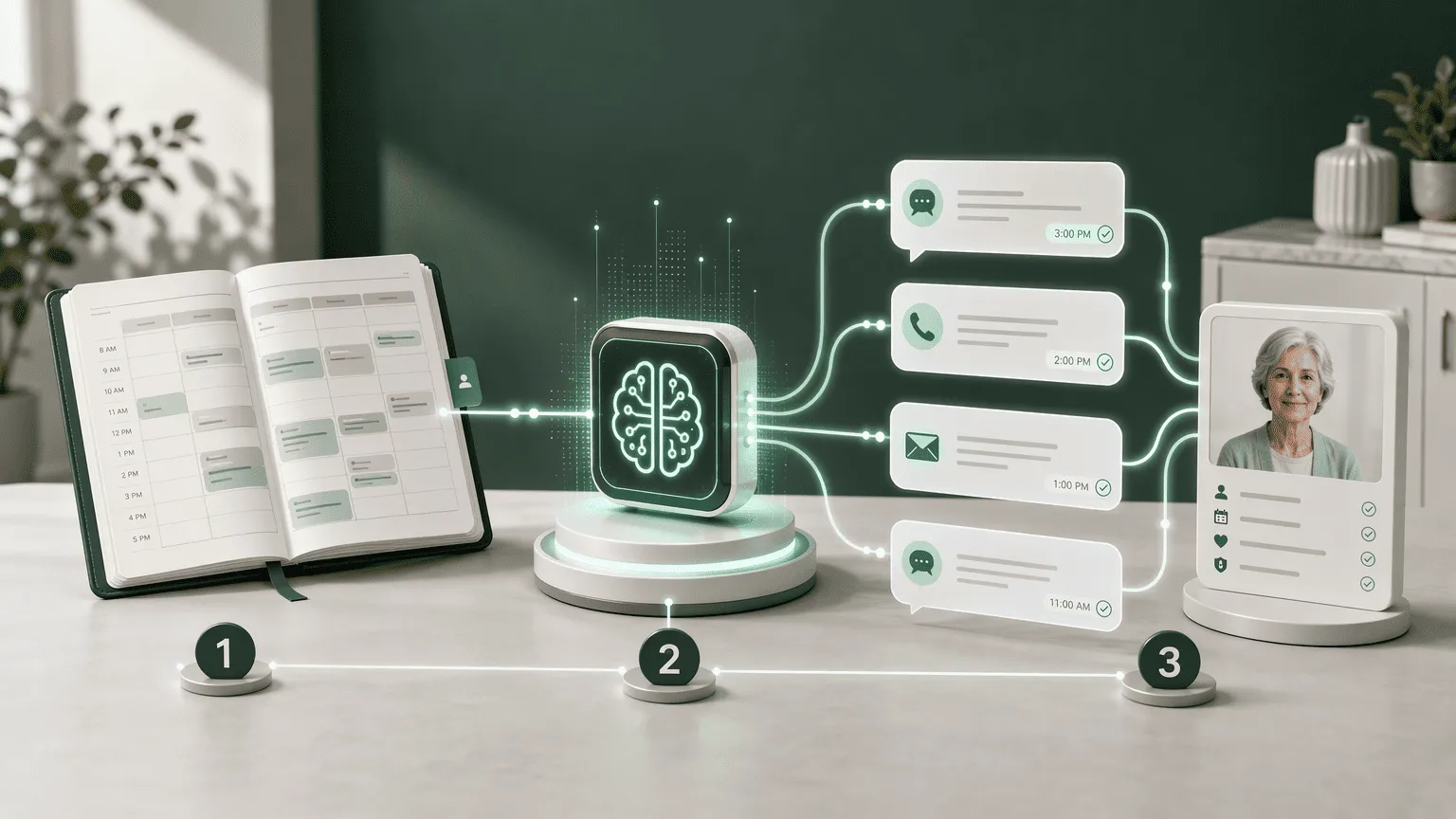
Clinads operates on a simple premise: your scheduling tool should not sit on an island, disconnected from the marketing that fills it. The platform automates patient communication without requiring a dedicated campaign manager, using AI to personalize reminder cadences and follow-ups at scale. Here is how it attacks the no-show problem specifically:
- Intelligent scheduling logic: The system reads your appointment book and triggers multi-touch reminder sequences based on appointment type, provider, and patient history, so a longtime patient gets a different rhythm than someone new to the practice.
- AI-driven personalization: Reminders adapt to patient response patterns over time. A patient who consistently confirms via text 48 hours out might receive fewer touches, while chronic no-show risks get an accelerated sequence.
- EHR-agnostic integration: Rather than locking you into a single practice management system, Clinads connects to major EHRs through API-based bridges. The goal is a unified view of patient flow without ripping out your existing infrastructure.
2. ReminderCall by Rectangle Health: Deep Healthcare-First Integrations for Enterprise‑Grade Reminders
ReminderCall does not try to be a booking platform, a VoIP phone system, or a marketing suite. It focuses on one job and connects to the systems your enterprise already runs. Integration depth is the product.
Rectangle Health built ReminderCall specifically for healthcare workflows, with direct hooks into major EHR and practice management platforms like Epic, NextGen, and eClinicalWorks. That architecture matters at scale. When you are running reminder logic across 15 locations and 200 providers, a generic API connector breaks.
ReminderCall reads appointment statuses, visit types, and provider schedules natively, then broadcasts across SMS, email, and voice channels with condition-based routing. The enterprise case studies point to a pattern: groups that replaced manual call lists with automated, multi-channel sequences saw no-show rates shrink without adding front-desk headcount.
The trade-off: you are buying a focused tool. If your priority is a reliable, healthcare-native engine that keeps chairs filled across a multi-site organization, this is your shortlist.
3. Weave: Unified Communication Hub with VoIP, Forms, and Reminders in One Place
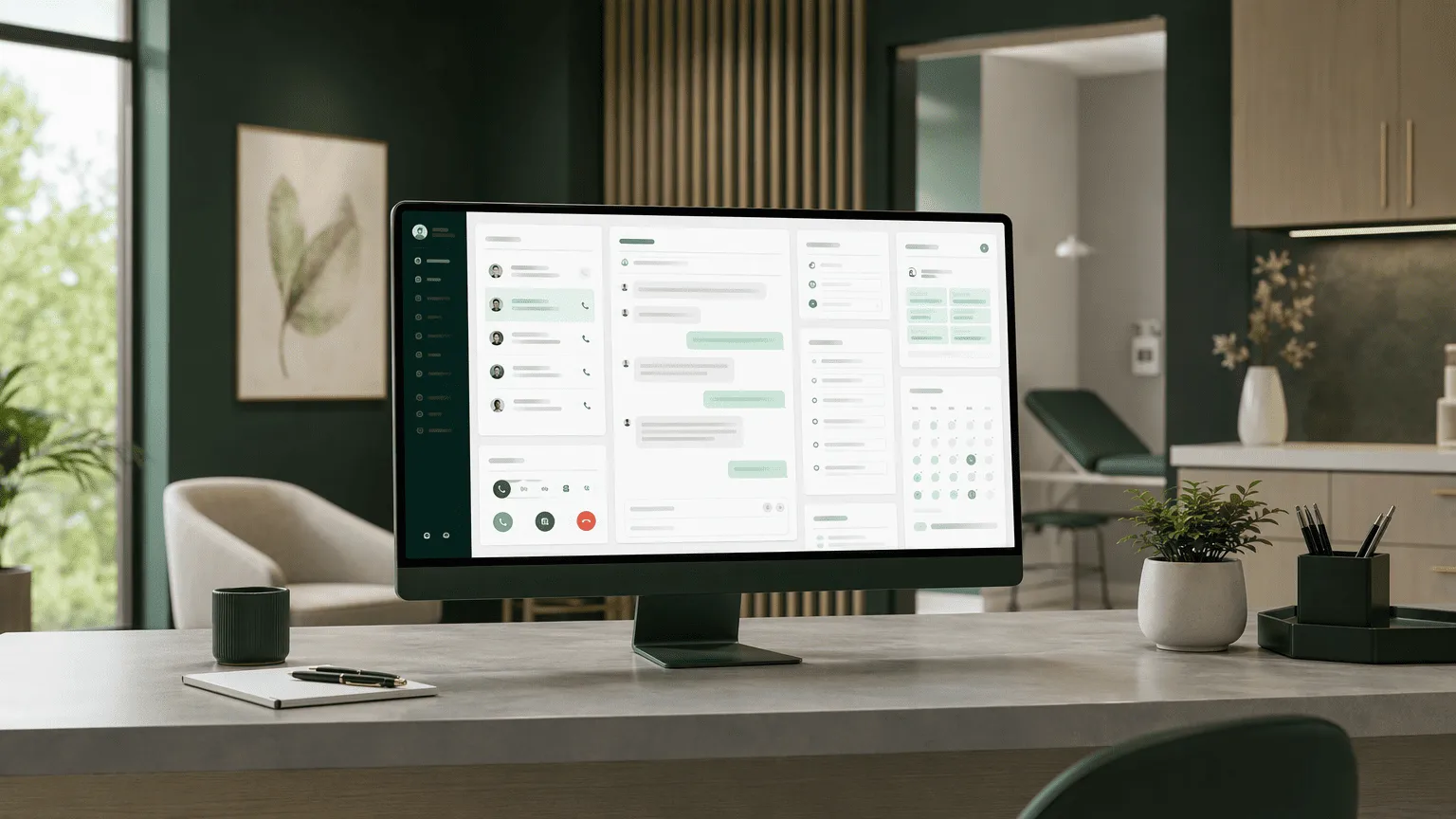
Many practices operate a phone system, a texting tool, and a reminders vendor as three separate line items. Weave puts all three under one login. For a front desk that answers calls, prints paperwork, and confirms appointments simultaneously, a consolidated stack eliminates the tab-switching that quietly eats hours every week.
Weave built its name in dental, optometry, and veterinary practices by bundling VoIP with automated reminders. When a patient texts back to confirm, the reply lands in the same inbox as missed calls and voicemails. Digital intake forms arrive before the appointment and push patient data straight into the record.
The time savings add up fast. A text confirmation auto-updates the schedule. A late cancellation frees a slot the platform can offer to a waitlisted patient. Front-desk staff stop chasing statuses across apps and start moving patients through.
The tradeoff is real: Weave works best when a practice runs its whole communication layer through one vendor. Clinics that already rely on an EHR with its own messaging modules see the overlap. For a practice that wants phones, forms, and reminders from a single healthcare-native provider, Weave earns its place.
4. Klara: Patient Engagement Suite with Proven Two‑Way Messaging and No‑Show Reduction Data
Klara leads the conversation with data. Most vendors claim to reduce no-shows; Klara published a study showing a 38% drop tied specifically to its text-based reminder engine. That concrete number anchors everything else the platform does.
| Feature | Klara | Generic Single-Channel Reminders |
|---|---|---|
| No-show reduction evidence | Published 38% reduction via two-way SMS | Range claims of 30 to 50%, vendor studies vary |
| Communication model | Two-way conversational messaging with staff | One-way blast, response requires phone call |
| EHR positioning | Engagement layer on top of existing EHR | Standalone or loosely integrated |
| Patient experience | Threaded conversation history with practice | Isolated reminder texts with no context |
| Best fit | Clinics keeping their EHR, wanting engagement | Practices wanting minimum viable reminder |
Klara and NexHealth work best as engagement layers for clinics already running an EHR they cannot replace. The two-way messaging is central: a patient receives a reminder, replies with "running 10 minutes late," and that response routes to the front desk, updates the schedule, and triggers an adjusted workflow. That conversational architecture cuts no-shows. It makes the practice feel accessible in the channel patients actually use. The trade-off is depth of native EHR functionality: Klara augments your existing system rather than replacing it.
5. Apptoto: Automated Calendar‑Driven Reminders with Flexible Broadcasting and Multi‑Channel Cadences
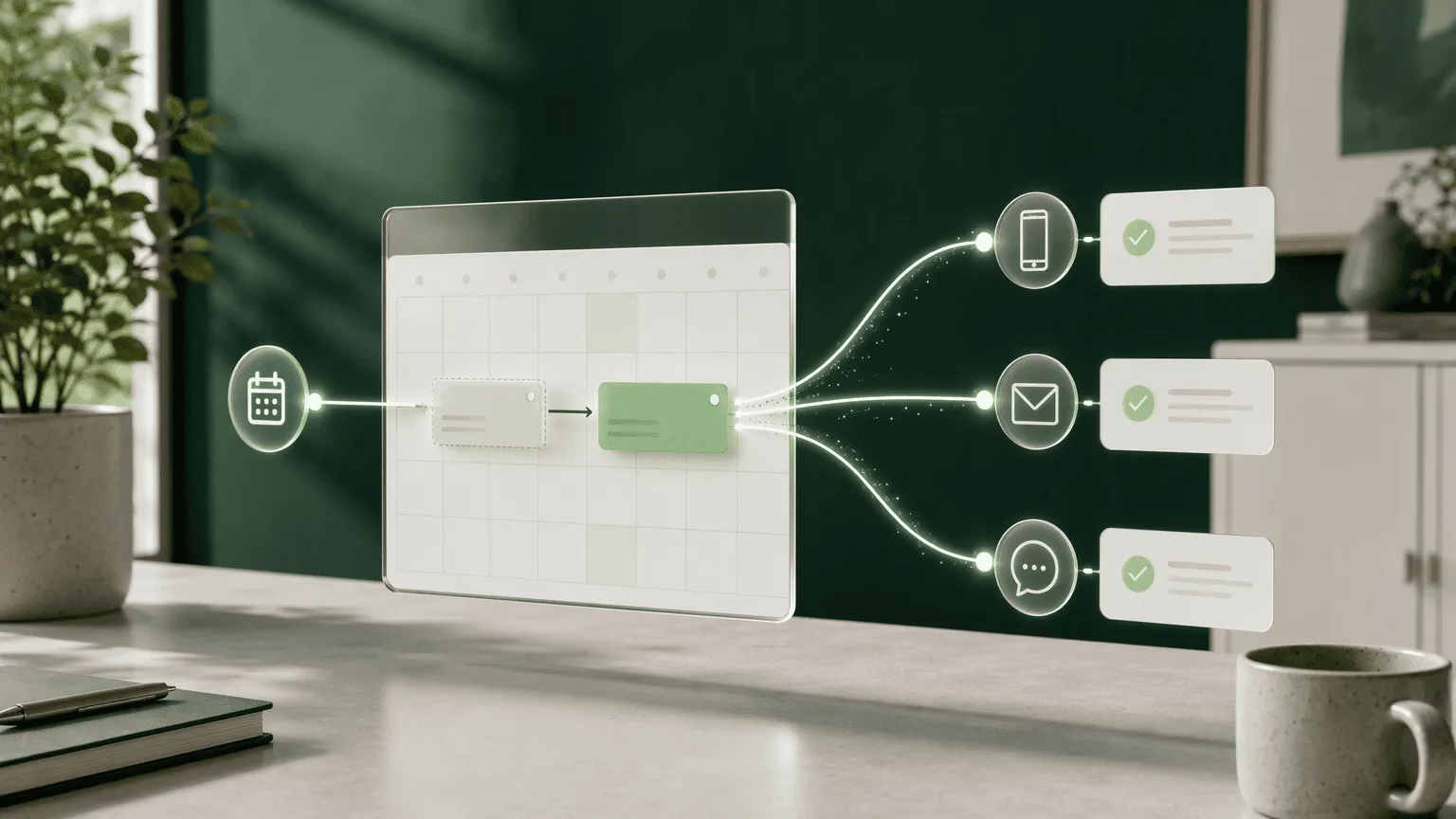
Apptoto syncs directly with your live appointment book rather than waiting for a periodic data push from your EHR. A real-time read keeps its reminder logic accurate.
Most reminder tools operate in batches. They pull a schedule once, queue the messages, and fire them later. By the time a confirmation text lands, the patient may have rescheduled hours ago.
Apptoto watches your calendar for changes and adjusts sequences on the fly. A cancellation stops pending reminders immediately. A reschedule resets the entire cadence clock.
The platform gives you granular control over multi-channel cadences. You might set SMS at 7 days and 48 hours, email at 72 hours with an intake form embedded, and a voice call 24 hours before for patients your practice flags as high-risk for no-show. Each channel follows its own rules, and you can suppress any of them conditionally.
That flexibility carries a configuration burden. A solo practitioner who only wants a simple 24-hour text will pay for capability left untouched. For calendar-centric practices, specialty groups juggling complex provider schedules, and clinics burned by batch tools, the live sync matters. That is the differentiator, not a generic blast.
6. Solutionreach: Thorough Recall, Waitlist, and Bilingual Reminder Platform for Growing Practices
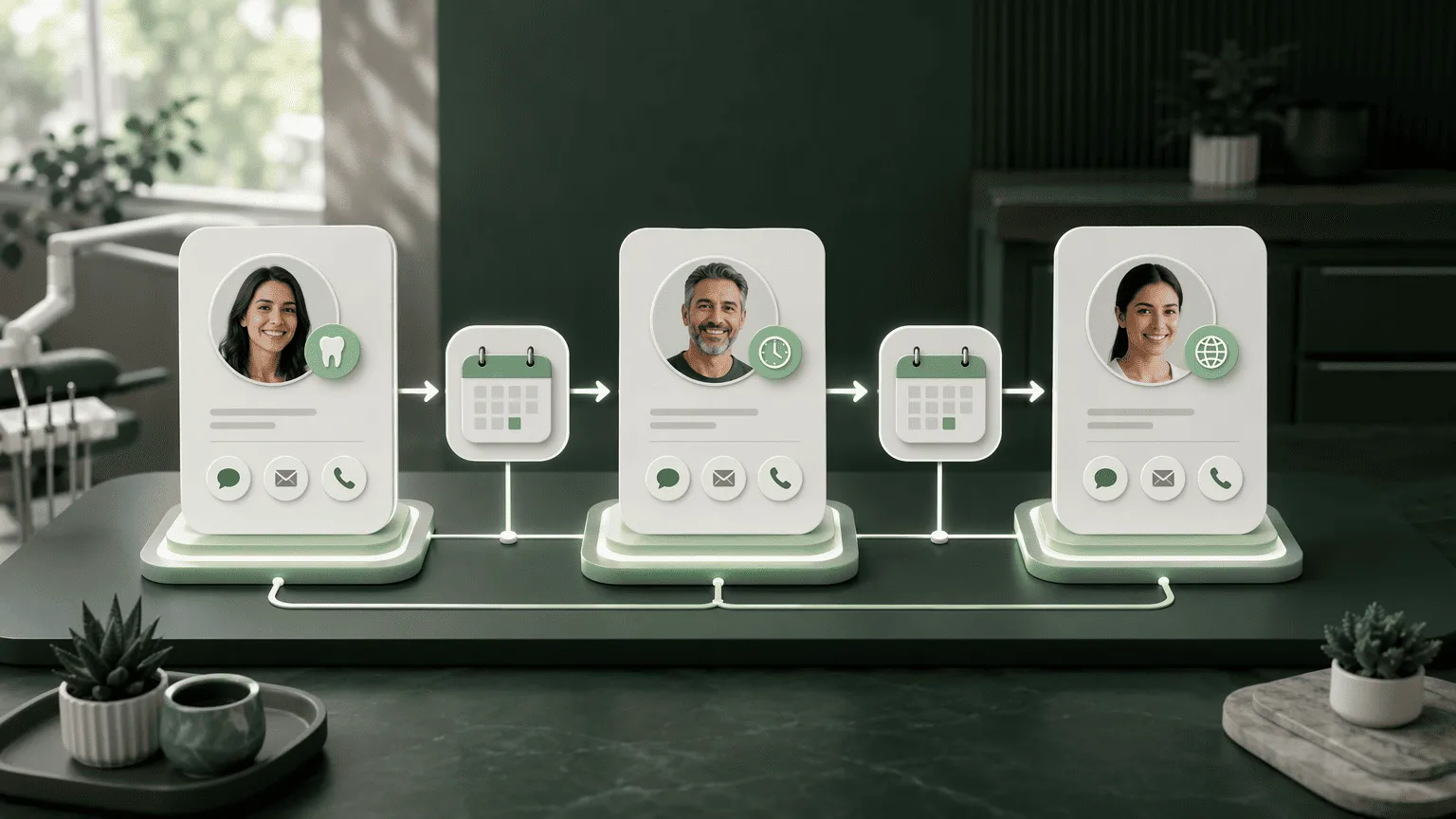
Solutionreach builds outward from basic reminders into recall, waitlist management, and reputation monitoring. The platform automates three key growth-oriented workflows:
- Recall campaigns: trigger based on last visit date, procedure type, or provider to bring dormant patients back into the schedule.
- Waitlist management: when a slot opens, the system identifies a qualified waitlisted patient matching the appointment type and time window, sends an offer, and books the slot without staff intervention.
- Bilingual communication: extends recall and waitlist logic to Spanish-speaking patient populations, reducing no-shows caused by language mismatch.
Solutionreach is best for dental and medical practices wanting recall depth, bundled with reputation management. Smaller practices should audit whether they will use the full suite; the platform's width can feel like overhead if your only problem is confirmation texts.
7. Square Appointments: Strong Free Tier for Small Practices That Need Booking‑Plus‑Reminders
A standalone appointment reminder tool starts as low as $50 per provider per month, but Square Appointments resets the floor to zero. The free tier includes automated SMS and email reminders, online booking, and payment processing, which makes it the default entry point for solo providers and very small practices evaluating their first reminder system.
- Zero-dollar barrier: The free tier launches with automated confirmations and reminders included. You pay only payment processing fees on transactions.
- Booking-native architecture: Reminders fire directly from Square's own appointment book, which eliminates the common small-practice pain point of a third-party calendar integration breaking on updates.
- SMS and email as standard: Automated reminders hit both channels. SMS carries a 98% open-rate advantage that larger platforms charge a premium for.
- The scaling ceiling is real: Square lacks the deep EHR integrations, multi-location management, and recall automation that enterprise-focused tools bring. A practice growing past three providers will feel the constraint.
- Cost context: When a single no-show drains roughly $100 in revenue, even the free tier's basic confirmation flow can pay for itself against the alternative of silence.
8. Acuity Scheduling: All‑in‑One Scheduling and Automated Reminders with Customizable Client Rules
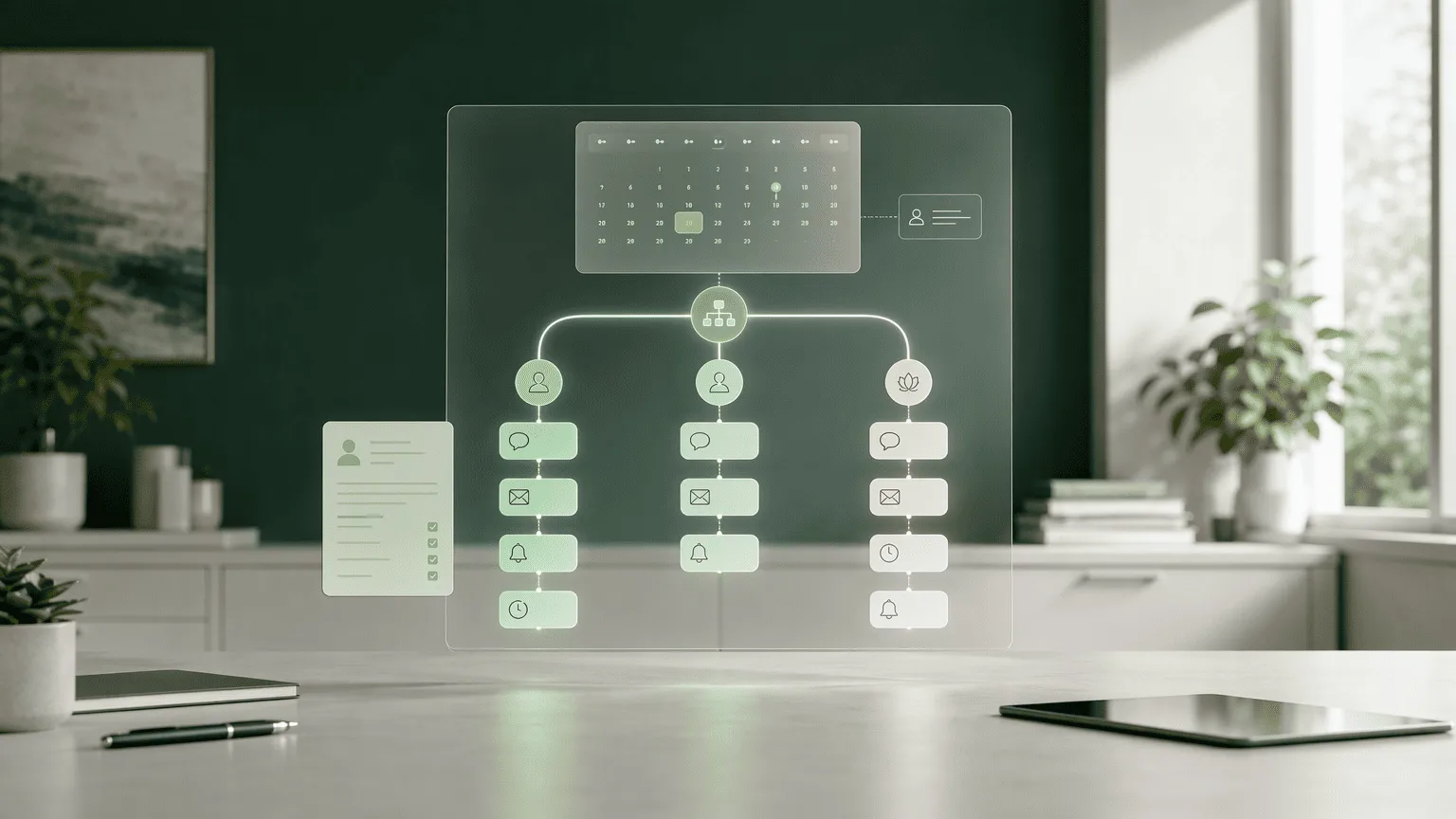
Acuity Scheduling earns the final spot by solving a specific frustration: medical practices that do not fit neatly into the standard 15-minute, 30-minute appointment grid. The platform's custom rule engine lets you set conditional reminder logic tied to appointment type, provider, and intake requirements. A new-patient consultation triggers a longer reminder cadence attached to a custom intake form. An established-patient follow-up gets a shorter sequence with no forms. A med-spa appointment requiring a pre-procedure protocol fires instructions 72 hours out.
Most medical scheduling tools assume a standardized visit flow and stop there. Acuity's flexibility stands out because you can build different workflows for different visit types inside the same system.
Acuity also embeds automated intake forms directly into the booking and reminder pipeline. A patient booking online receives a form at the point of scheduling; a reminder 48 hours before the appointment links back to the same form if it remains incomplete. The platform syncs that data back to your client record, which means the front desk is not chasing paperwork on arrival. For service-oriented practices, physical therapy clinics, and any setting where intake rules shift by appointment type, Acuity's configuration depth justifies the cost and learning curve.
Conclusion
EHR integration is the difference between automation and a second full-time job. SMS is the primary channel because a 98% open rate beats any alternative.
The rest is a decision about your practice profile. Clinads connects marketing execution to scheduling without a campaign manager, using AI to handle the targeting and follow-up. ReminderCall solves enterprise integration at scale. Square Appointments brings the effective floor to zero cost for solo practitioners. Weave unifies the communication stack for practices that want one vendor to own phones, forms, and reminders.
Your no-shows cost you $100 a slot and six figures a year. Pick the tool that fits your architecture and plug the leak.
Frequently Asked Questions
What are the key features to look for in an automated appointment reminder tool for a medical practice?
Beyond that, prioritize direct EHR/PM integration so reminders fire from live schedule data, multi-channel delivery with SMS as the primary channel, two-way messaging for confirmations and reschedules, and customizable cadences based on appointment type or provider.
How do automated reminder systems integrate with major EHR/EMR platforms in the US?
Enterprise-focused tools like ReminderCall build direct, native connectors to systems such as Epic, NextGen, and eClinicalWorks. Other platforms use API-based bridges that sync appointment data bidirectionally. The key distinction is whether the integration reads your schedule in real time or relies on a scheduled batch data push.
Any platform handling protected health information must sign a business associate agreement (BAA), encrypt data in transit and at rest, maintain audit trails of all access, and enforce role-based access controls. A vendor's claim of compliance is insufficient; request documentation of their security architecture.
Which automated reminder tools offer the best balance of cost and functionality for small vs. large practices?
Square Appointments offers a strong free tier with automated SMS and email reminders, making it ideal for solo providers. Mid-sized groups benefit from Apptoto or Acuity Scheduling. Enterprise practices with multi-location needs should evaluate ReminderCall for its deep EHR integration and scalability.
What is the average patient no-show rate reduction achieved by using automated reminders?
Clinics using automated appointment reminders typically report no-show reductions between 30% and 50%. A published Klara study demonstrated a specific 38% drop attributable to two-way text message reminders. Overall reductions can range as high as 75% depending on channel mix and cadence design.
What types of reminders (text, email, phone) show the highest patient response and confirmation rates in 2026?
Each communication channel serves a distinct role in patient engagement. Their effectiveness rankings make the ordering clear:
- SMS: achieves a 98% open rate, making it the highest-response channel for appointment confirmations.
- Email: works well for intake forms and pre-appointment instructions.
- Voice calls: effective as a final touch for high-risk no-show patients but should not be the primary channel due to cost and lower answer rates.
Sources
- 7 Best Marketing Software for Solo Practitioners - getclinads.com
- Appointment Reminder Software: 2026 Medical Practice Comparison - curogram.com
- The Best Approach to Appointment Reminder Software in 2026 | Pabau - pabau.com
- 10 best appointment reminder software tools for 2026 - Guideflow Blog - www.guideflow.com
Want help executing this for your clinic?
Book a 30-minute call and we will map what a real ad engine would look like for your specific service mix.
Book a call