
7 Best Platforms for Segmenting Patient Communication by Treatment History in 2026
Summary: In 2026, the top platforms for segmenting patient communication by treatment history include Clinads, Pabau, Luma Health, and Weave. Clinads offers a unified CRM with native treatment-history segmentation, Pabau provides an all-in-one solution for aesthetic clinics, Luma Health specializes in patient journey orchestration for high-volume medical groups, and Weave integrates communication tools for dental and optometry practices.
Introduction
Most practices hemorrhage revenue through one blind spot: treating a Botox patient and a filler patient like they need the same reminder. They don't. You blast a generic 'time for your appointment' text to both, and the 9-month filler patient unsubscribes while the 12-week Botox patient forgets to book entirely. That's the cost of ignoring treatment history.
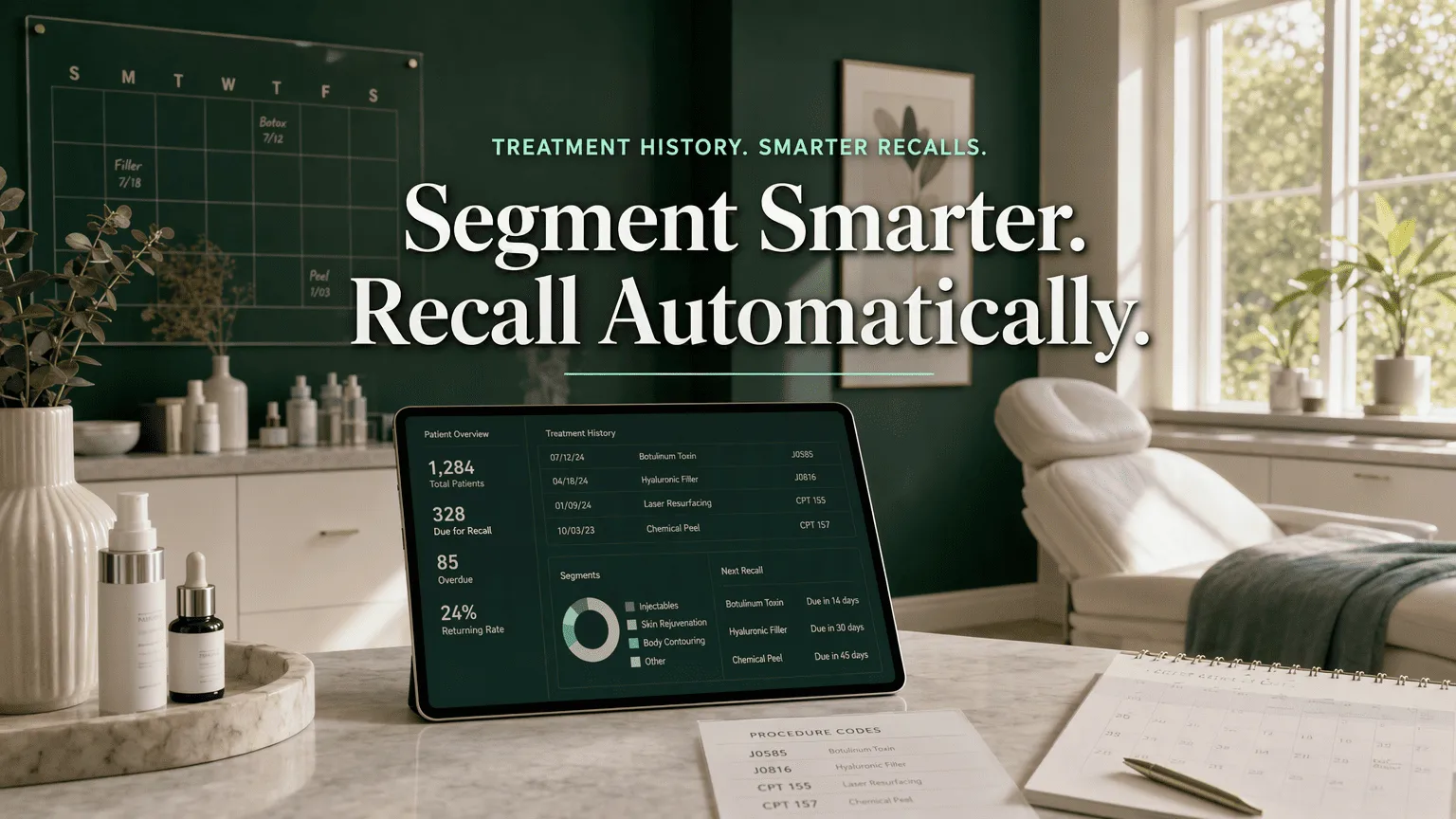
Segmenting communication by treatment history means sending different messages based on the specific procedures a patient has had. An automated recall for Botox lands at 12 weeks; a filler reminder fires at 9 months. No spreadsheets. No manual filter. The platform reads the procedure code and triggers the right message, every time.
In 2026, dedicated platforms like Pabau and Luma Health use past clinical data to trigger tailored, automated workflows. The payoff is measurable. Acquiring new patients is 25 times more expensive than bringing back an existing one, and practices that implement treatment-history recall see a significant reduction in no-shows and an increase in reactivation rates from lapsed clients. Below are the platforms that deliver those results, ranked for practices that can't afford to send one more irrelevant message.
Key Takeaways
Three platforms dominate treatment-history segmentation for different practice types. The core decision is whether you need a native all-in-one system or an EHR bolt-on, and that choice determines whether your recall logic stays inside the patient record or fragments across integrations.
- Top native all-in-one: Pabau bundles booking, consent forms, and automated recall by treatment inside one record, starting at $65/month.
- Top for high-volume medical: Luma Health orchestrates patient journeys with custom treatment-based triggers at an enterprise scale.
- Best for dental and optometry: Weave bundles phone and text into a unified communication hub purpose-built for recall by procedure type.
- Critical differentiator: A native CRM stores every treatment and communication in one database, no syncing, no fragmented logic. Bolt-ons like Solutionreach pull procedure codes from an external EHR, but the logic lives outside the record.
- Expected ROI: Automated workflows replace manual phone calls, dramatically improve response rates, and reduce no-shows across every recall cycle.
- For an all-in-one approach without integration complexity, Clinads operates treatment-history segmentation as the central architecture of the platform, not something layered on after the fact.
1. Clinads: A Unified CRM with Native Treatment-History Segmentation at the Core
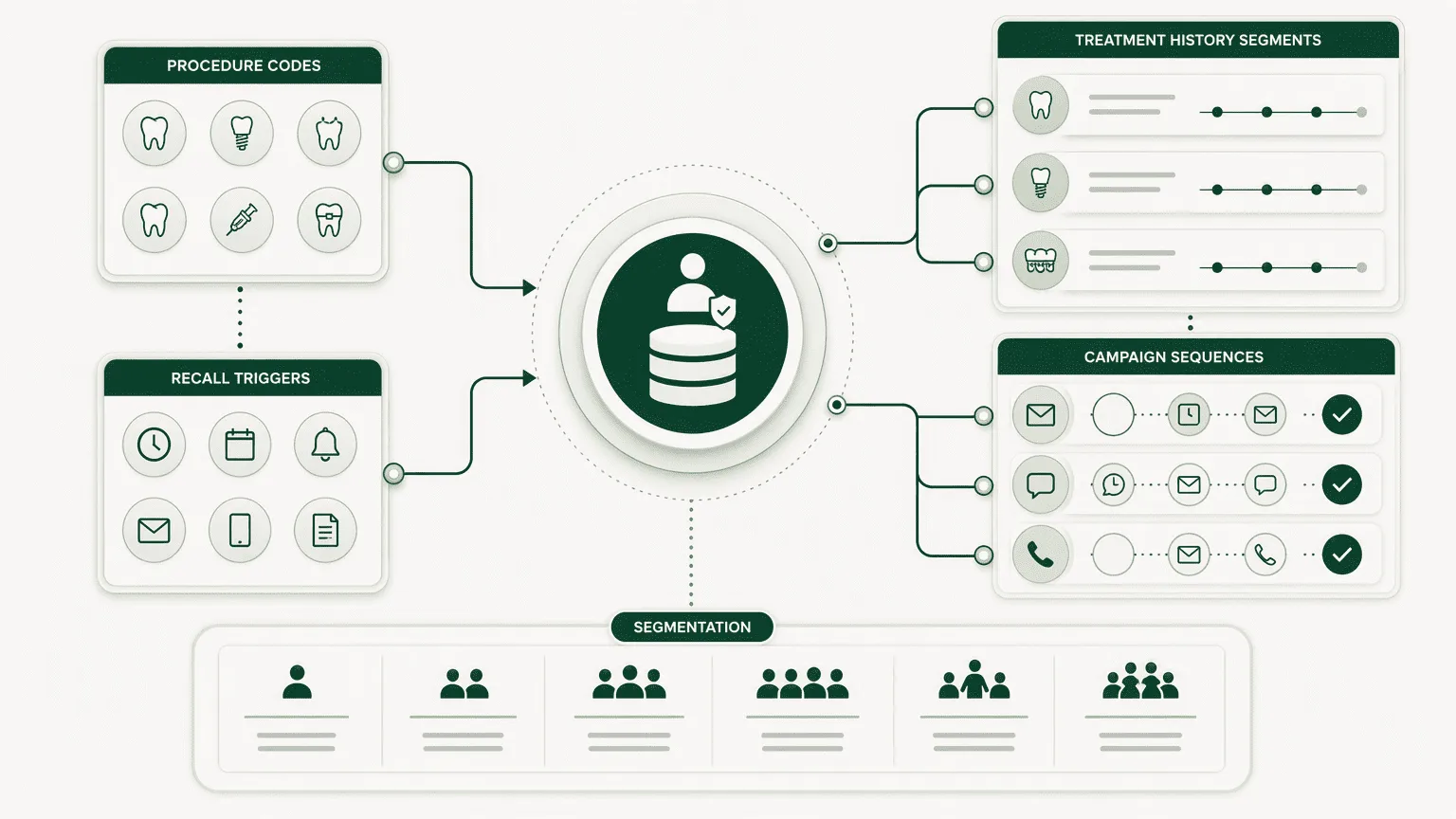
When a CRM stores every patient interaction, procedure code, and recall trigger inside a single database, segmentation stops being a feature and becomes the architecture. That's the Clinads approach.
| Capability | What It Means for Your Practice |
|---|---|
| Native treatment-history database | Every procedure logged becomes a segment filter, no export, no manual tag, no second system to reconcile. |
| Unified campaign builder | Build separate Botox and filler recall sequences from the same record set, triggered by the treatment date in the patient file. |
| Patient portal and scheduling on one database | When a patient books a follow-up through the portal, the treatment history updates automatically and the recall logic adjusts. |
| Single source of truth | Front desk, clinical, and marketing all see and act on the same procedure history, eliminating the 'I didn't know they had fillers done' blind spot. |
The problem is that most scheduling tools sit on an island, disconnected from the campaign logic that brings patients back. When scheduling and marketing share one database, a completed Botox appointment automatically resets the 12-week recall clock without anyone touching a filter. That's the difference between a bolt-on and a native system.
2. Pabau: The Aesthetic and Multi-Specialty Powerhouse
Pabau is an all-in-one clinic management platform built for aesthetic clinics, med spas, wellness centers, and multi-specialty practices. A single record bundles booking, consent forms, and automated recall logic, which means a Botox patient triggered at 12 weeks never gets a filler reminder intended for someone else.
Pabau scores 4.7 out of 5 from over 600 verified reviews and the starting price sits at $65/month. That pricing makes it accessible for a solo med spa while the feature set scales across multi-location groups. One workflow illustrates the advantage: you configure a 12-week recall for Botox and a 9-month recall for fillers, and Pabau reads the procedure code to automatically route the correct message to each patient cohort.
The trade-off: adopting Pabau means migrating your scheduling, consent, and recall logic into one environment. The platform is heavy. For practices already running fragmented tools, doing that consolidation work is the reason it earns the top aesthetic spot.
3. Luma Health: Patient Journey Orchestration for High-Volume Medical Groups
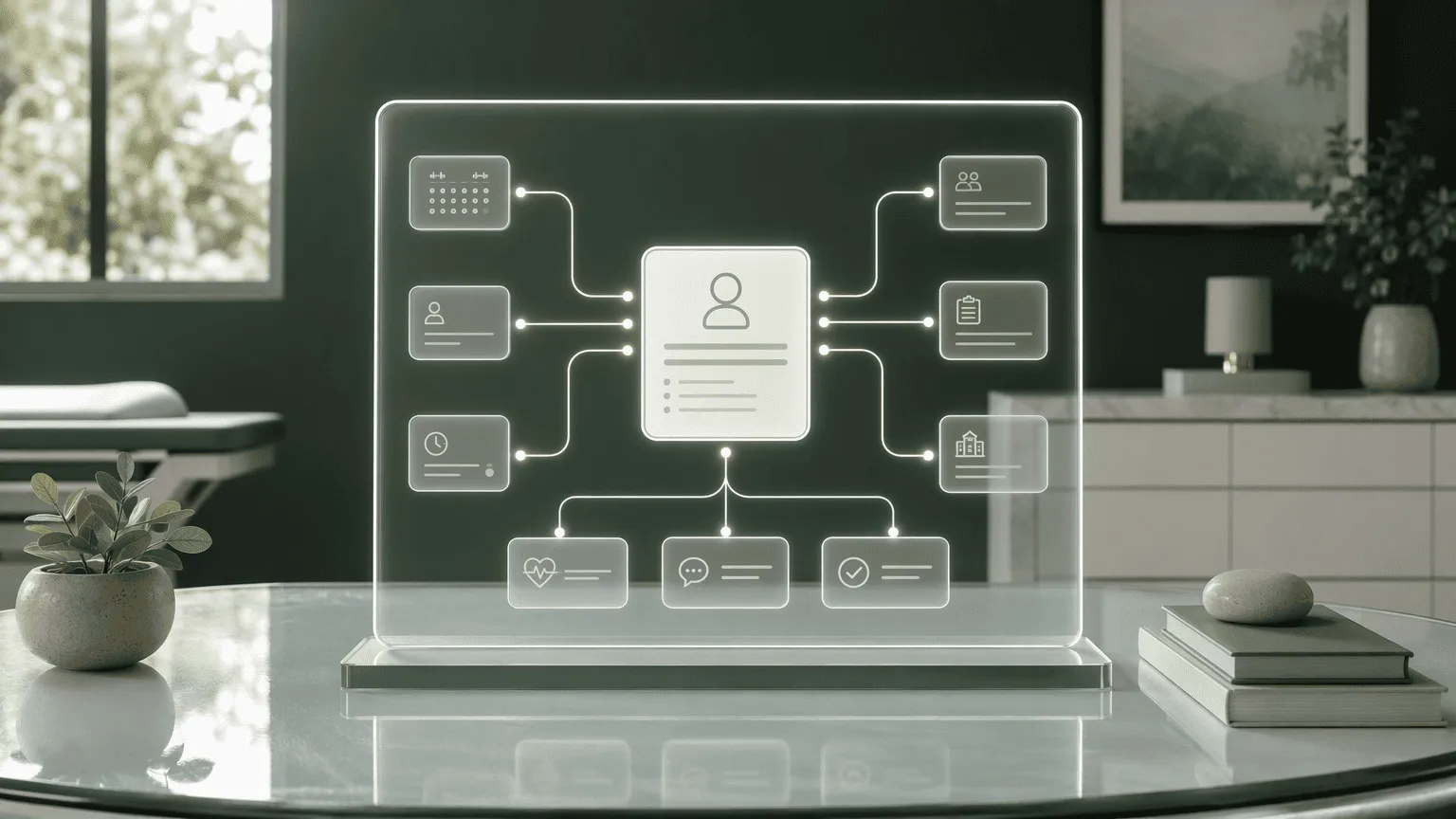
Luma Health approaches treatment-history segmentation through patient journey orchestration. It reads past clinical data to trigger tailored, automated workflows that span appointment scheduling, referral coordination, and post-care follow-up, all customized to what a patient has already experienced inside your system.
The platform's custom pricing reflects its enterprise footprint: large medical groups with high-volume touchpoints where a single generic recall blast risks alienating thousands of patients. Rather than sending one post-appointment message to every patient, Luma Health configures distinct triggers based on the specific visit type or diagnosis code, so a post-surgical patient receives discharge instructions while a routine physical patient gets a preventive screening reminder.
That kind of behavioral logic changes the economics. When a health system can automatically trigger a different sequence for a diabetes follow-up versus an orthopedic post-op, no-show rates drop across the board.
For groups evaluating enterprise-scale platforms with custom treatment-based triggers, not just appointment reminders but true journey orchestration, Luma Health's 4.6 out of 5 rating reflects its position as the sophisticated operator in this space.
4. Weave: Bundled Communication for Dental and Optometry Practices
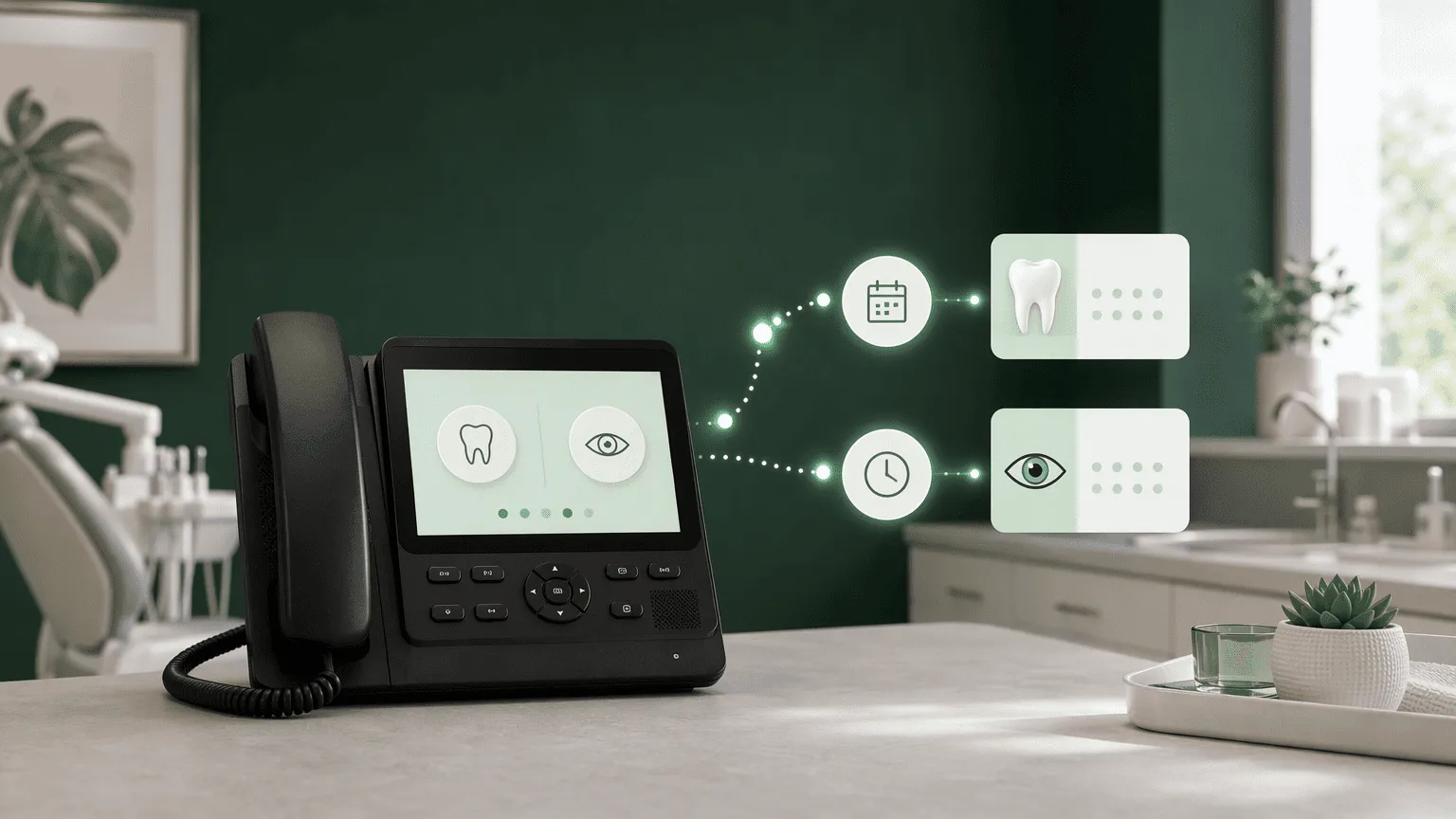
Weave built its reputation inside dental and optometry offices where phone calls still dominate patient recall. Its bundled phone and text system segments recall outreach by procedure code: a 6-month hygiene reminder fires automatically, while a post-extraction check-in goes out at one week.
Pricing requires contacting the vendor directly, but the core value is straightforward. You avoid managing separate VoIP, texting, and recall tools because Weave pulls them into one communication hub built for the dental and optometry workflow. The trade-off is real.
Weave stays tightly scoped to those verticals. A multi-specialty group outside dentistry or optometry will hit its edges quickly. But for a practice where hygiene recall needs to run on its own while the front desk handles new patient intake on the same system, that focus is the point.
5. Solutionreach: The EHR Add-on Specialist
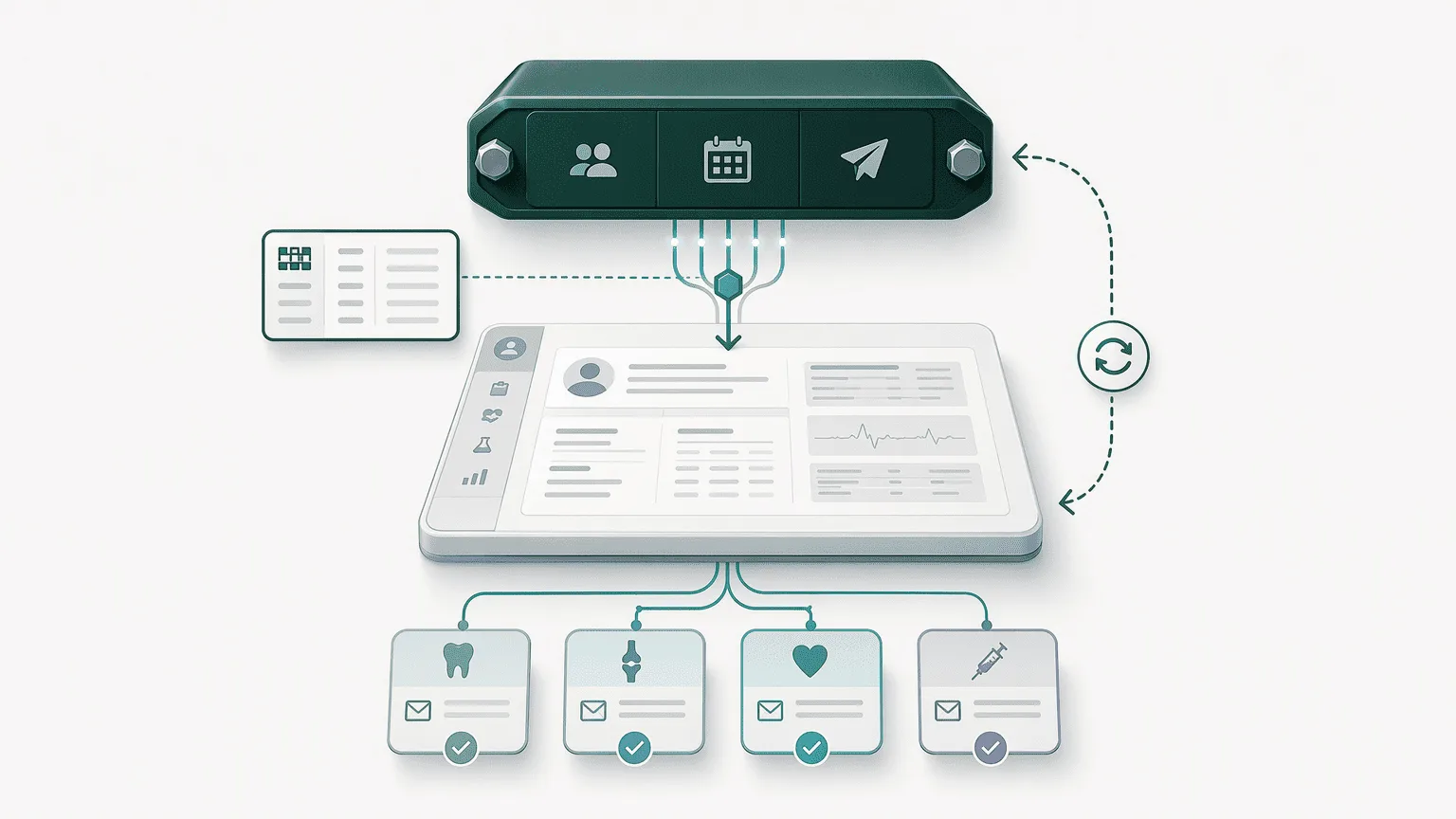
Solutionreach sits on top of an existing EHR, pulls procedure codes, and triggers segmented recall messages without replacing the underlying practice management system. It's the bolt-on route.
The trade-off is migration cost versus long-term efficiency. Practices tethered to their current EHR can add treatment-history segmentation through Solutionreach quickly, but they accept the overhead of maintaining two systems that must stay in sync.
6. Mend: Enterprise-Grade Telehealth and Engagement with Behavioral Logic
Mend builds its engagement rules around what kind of care the patient received, not just when they were last in the building. A substance abuse follow-up needs a fundamentally different reach-out than a dermatology recheck. Tone, frequency, and channel all shift based on the clinical context, and Mend encodes those distinctions directly into the automation.
Enterprise telehealth groups and behavioral health networks run into a real problem when their recall tools treat every patient like a routine physical. That approach erodes clinical trust, especially in mental health and addiction medicine, where an insensitive reminder can do more harm than silence. Mend gets adopted in those environments because it lets the treatment type drive the communication logic.
The segmentation goes past medical specialty labels. Even within a single behavioral health practice, the platform distinguishes between patients in active crisis protocols, those in stable maintenance, and those who have disengaged, each following a different engagement cadence.
Large health systems running integrated behavioral and medical services out of the same instance rely on that layer of sophistication. A single platform has to speak dermatology, cardiology, and psychiatry in their native clinical rhythms without letting one bleed into the other. Most general-purpose communication tools skip this entirely and call it good enough, they send the same templated reminders to everyone and leave clinicians to clean up the misfires.
What Mend delivers is an engagement architecture that takes the treatment history seriously. The recall isn't just a date on the calendar; it's shaped by what happened in the exam room and what the patient needs next.
7. OhMD: Two-Way, HIPAA-Compliant Texting Designed for Clinical Workflows
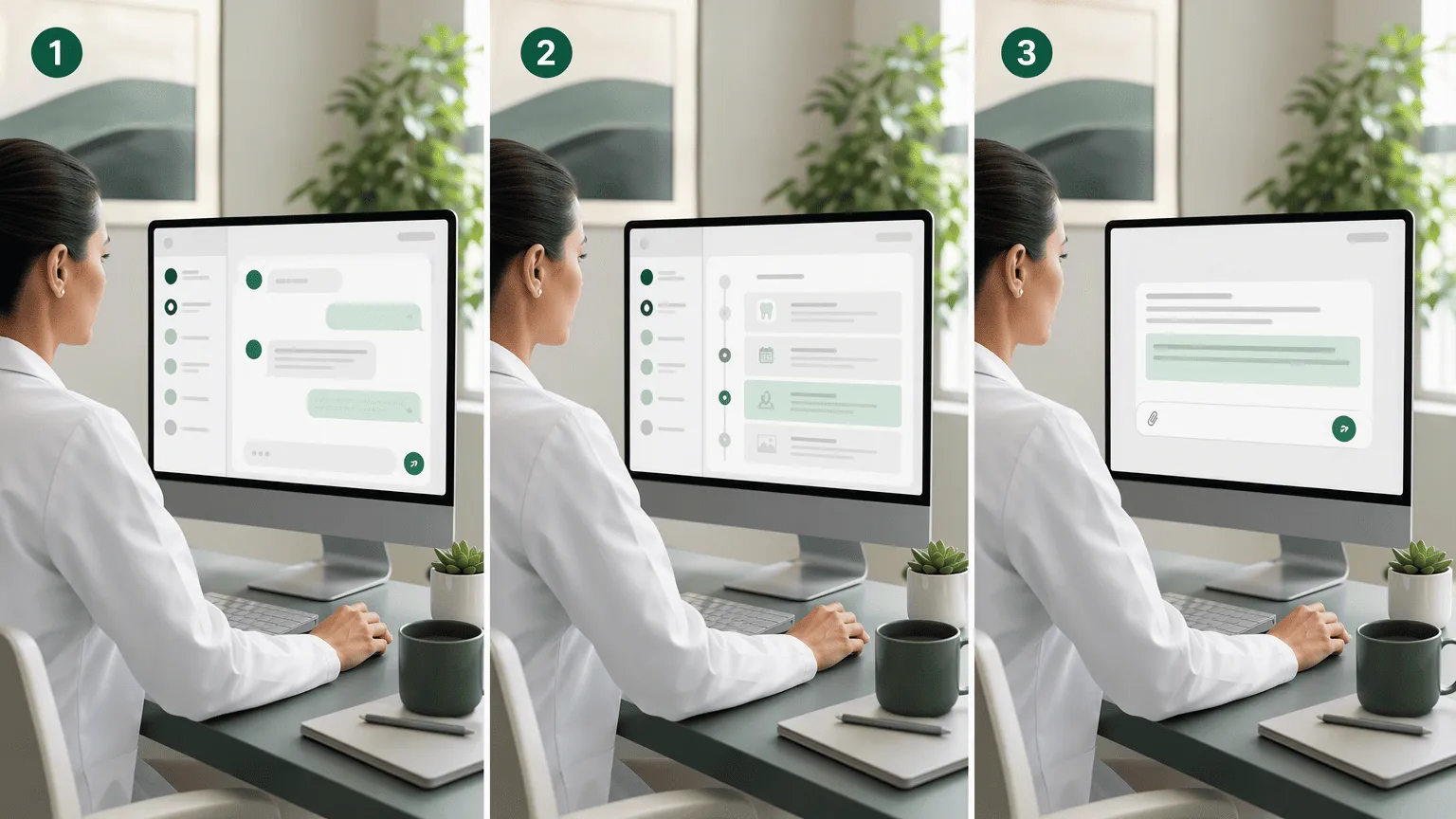
OhMD approaches treatment-history segmentation differently: it gives clinical staff a two-way texting interface and lets them manually segment and message patients based on what they know about the patient's treatment history. A post-procedure check-in with OhMD follows a manual, conversational rhythm.
- Open the patient conversation thread directly from the two-way interface, where the full messaging history lives inside a HIPAA-compliant environment.
- Review the treatment record to identify which procedure the patient had last, then compose a specific check-in message relevant to that treatment type.
- Send the message and wait for a reply, since OhMD is built for conversational outreach.
- Document the interaction knowing OhMD integrates with over 85 EHR systems to pass that communication data back into the clinical record.
Conclusion
The platform decision splits into three archetypes: native all-in-one systems like Clinads and Pabau where treatment-history segmentation is built into the core architecture, bolt-ons like Solutionreach that pull procedure codes from an existing EHR, and specialized communication tools like Weave and OhMD designed for specific clinical workflows. In 2026, native segmentation determines whether your recall messages reactivate patients or drive them to unsubscribe.
Frequently Asked Questions
What does it mean to segment patient communication by treatment history?
It means sending different messages to patients based on the specific procedures they've had, such as a 12-week Botox recall versus a 9-month filler reminder, so every patient receives the relevant post-care or recall message for their last visit.
Which platforms are considered best for treatment-history segmentation in the US in 2026?
Pabau leads for aesthetic and multi-specialty practices, Luma Health for high-volume medical groups, and Weave for dental and optometry. Clinads offers a native all-in-one CRM with treatment-history segmentation as the core architecture.
What's the difference between a native all-in-one platform and an EHR bolt-on?
A native platform stores scheduling, clinical data, and recall logic in one database so treatment history automatically triggers the right message. A bolt-on like Solutionreach pulls procedure codes from an external EHR, requiring ongoing synchronization between two systems.
What kind of ROI can a practice expect after implementing treatment-history segmentation?
Practices typically see a measurable reduction in no-show rates and a significant increase in patient reactivation from lapsed clients. Acquiring new patients costs 25 times more than bringing back existing ones, so recall improvement directly impacts margins.
How does Pabau pricing compare to other platforms on this list?
Pabau starts at $65 per month and scores 4.7 out of 5 from over 600 verified reviews. Luma Health and Weave require contacting the vendor for custom or enterprise pricing, while Solutionreach and OhMD position at different tiers based on practice size.
Sources
- Your Scheduling Tool Sits on an Island. - getclinads.com
- 10 Best Patient Engagement Software for Medical Practices (2026) - www.ohmd.com
- Patient Recall Campaigns - info.nexhealth.com
- 7 Best patient communication software to drive engagement in 2026 | Pabau - pabau.com
- Top 13 healthcare communications platforms for 2026 - www.prezent.ai
Want help executing this for your clinic?
Book a 30-minute call and we will map what a real ad engine would look like for your specific service mix.
Book a call