8 Best Marketing Software Picks for Solo Practitioners Under $500 Monthly in 2026
IntroductionYour monthly marketing software bill is quietly eating the margin you need to scale. You are paying for an enterprise seat at a table built for 50-person teams, and the waste is not in the line items, it is in the features you never open.
A typical solo operator burns $200 to $400 on point solutions that don't talk to each other. An email tool here, a landing page builder there, a CRM you forget to update, and a Friday evening spent exporting CSV files. The whole thing costs more than it returns. Meanwhile, another group of independents runs complete marketing engines for under $500 total.
US CMOs reported an average increase in digital marketing spending across the prior 12 months per a January 2026 survey from The CMO Survey. That money is flowing toward automation, AI, and owned audiences, not broader ad buys. Solo practitioners who redirect even a fraction of that shift into the right stack compound their output without adding headcount.
A parallel trend is reshaping discovery: free tool marketing. Smart SaaS companies give away mini software tools, AI graders, calculators, site auditors, as lead magnets. According to Wiz's Head of Marketing Tom Orbach, mini tools are 10x more powerful than free trials. For the soloist on a sub-$500 budget, enterprise-grade entry points start at zero dollars.
The seven tools below assemble a best-of-breed marketing stack that stays under $500 monthly while giving you the same capabilities mid-market teams carry. No filler. No optional upgrades disguised as necessities. Just the instruments that make a solo business louder than its spend suggests.
Key Takeaways
A complete, best-of-breed marketing stack costs well under $500/month for a solo practitioner in 2026, provided you lead with free tiers and pay only for intelligence and automation that directly returns revenue.
- The free tier is your foundation: HubSpot's free CRM and Systeme.io's free-forever funnel platform eliminate the largest line items, letting you allocate budget toward differentiation, not table stakes.
- One AI engine replaces five subscriptions: An all-in-one AI growth platform like Clinads consolidates ad creation, customer journey mapping, and predictive analytics into a single interface, sidestepping the cost of stitching together separate tools.
- Intelligence pays for itself: Semrush at roughly $130/month costs less than one underperforming ad campaign and delivers the keyword data that makes every subsequent marketing dollar work harder.
- Automation is the revenue lever, not a cost: ActiveCampaign's Plus plan (~$70/month) or Beehiiv's Growth plan ($42/month) convert passive audiences into booked revenue through behavior-triggered sequences.
- Design is now a utility: Canva Pro at $13/month replaces multiple creative subscriptions and eliminates the per-asset cost of outsourced graphics, covering social media, ads, presentations, and simple video.
1. Clinads, All-in-One AI Growth Engine for Solo Practitioners

Running paid acquisition as a solo practitioner usually means stitching together three or four tools and burning afternoons in dashboards. Clinads puts ad creative, customer journey logic, and predictive performance data into one interface, so you stop switching contexts and start seeing which spend actually converts.
- AI-driven ad creation and campaign management: The platform handles creative production, responsive ad variants, and audience targeting across channels, which cuts the hourly cost of manual campaign management.
- Predictive analytics for solo decision-making: Clinads surfaces which campaigns, keywords, and audiences project to convert before you commit budget. No spreadsheet assembly required.
- Transparent, solo-friendly pricing: Pricing targets independent operators. The monthly commitment stays inside a sub-$500 stack, with no feature gating behind a sales call.
- One interface, not five logins: Ad management, journey mapping, and analytics live in a single console, so you keep context instead of losing it across browser tabs.
The product is narrow by design: it serves operators who treat paid acquisition as a primary channel. If your marketing runs entirely organic and an ad dashboard will never matter to you, put this budget slot into content production instead. For anyone else, consolidating AI-driven growth into one platform gets you closest to running a mid-market marketing engine on a solo budget.
2. HubSpot Customer Platform, The Free CRM Powerhouse with Smart Scaling
HubSpot's free tools give you a CRM, email marketing, forms, and live chat at zero monthly cost. The free tier is not a time-limited trial or a crippled demo, it is a central system for your contacts and deals that you can run indefinitely while deciding whether to add paid hubs.
Most solo practitioners start with the free CRM and immediately solve the biggest data problem: knowing who did what, when. Contact management, deal tracking, and email live inside a single record timeline. When a lead fills out a form, opens an email, or books a meeting, the activity logs automatically.
No CSV exports. No manual reconciliation between your email tool and your spreadsheet. The free-forever model means your initial marketing software spend is zero, which frees the full $500 budget for the intelligence and automation layers that differentiate your practice.
When you are ready to scale, the Starter-tier hubs slot in at predictable increments. Marketing Hub Starter adds ad management and landing page builders. Sales Hub Starter layers in meeting scheduling and simple sequences.
Each is priced for a solo seat, and the total stays well under $500 even with multiple Starter hubs active. The key discipline is activating paid tiers only when a specific channel is already producing revenue, not before. Our recommendation if you are starting now: run the free CRM plus forms for 60 days, measure which pipeline stage leaks the most deals, and then pay for the one hub that plugs that specific gap.
3. Semrush, The Solo SEO Command Center
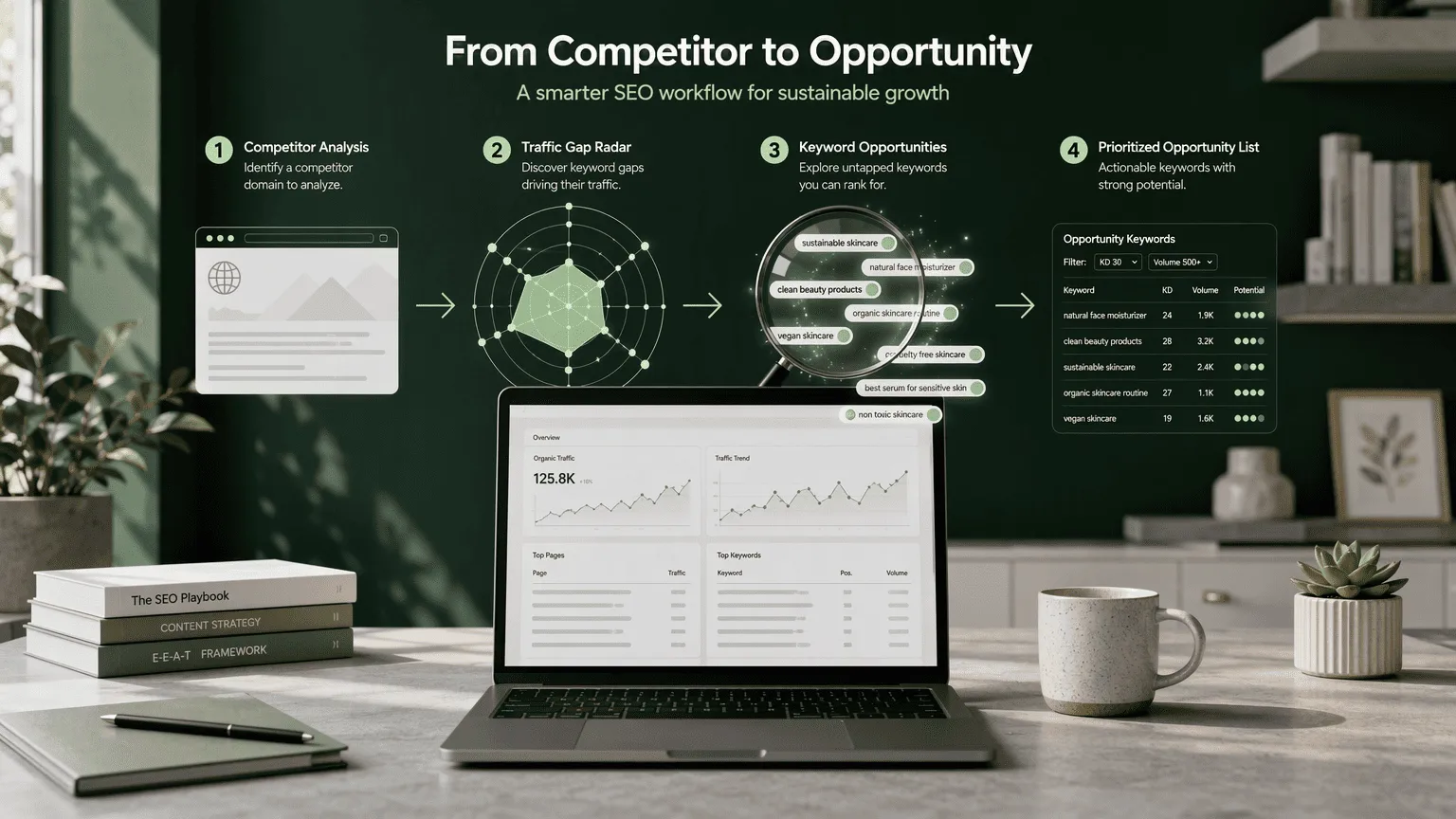
Semrush tells you what your competitors rank for, which keywords you can win, and where your site leaks traffic. For a solo practitioner, the roughly $130/month Pro plan gives you a radar system that costs less than one misguided ad campaign.
The solo playbook is narrow:
- Keyword targeting: Focus on low-difficulty, high-volume keywords, specifically those with a keyword difficulty score of 0 to 5 and at least 1,000 searches per month.
- Opportunity discovery: Type in a competitor's domain, see every term driving their traffic, filter by difficulty and volume, and walk away with a prioritized list of content targets you can rank for without a backlink army.
- Compounding value: A single article that captures a 1,000-search-per-month term compounds for years with zero additional ad spend, making the $130/month fee look cheap against paid acquisition.
- Technical audits: The site audit feature finds the technical gaps that kill rankings, broken links, slow pages, missing meta tags, and generates a fix-it list ranked by impact, so you do not need an SEO agency to interpret the output.
For a soloist competing against funded competitors, this tool closes the research asymmetry that usually favors bigger teams.
4. Beehiiv, The Newsletter-First Audience Builder
Beehiiv treats the email newsletter not as a broadcast tool but as a monetizable media asset, and its free Launch plan makes that asset accessible from day one. Here is how it fits a sub-$500 solo budget and why the Growth plan at $42/month is the upgrade point most practitioners should target.
- Free Launch plan with serious bones: The free tier includes newsletter creation, website hosting, and access to the Ad Network that pays you for running sponsor placements, meaning the platform can generate revenue before you pay a dime.
- Growth plan adds automation and segmentation at $42/month: Custom automations, audience segmentation, and a custom domain transform a basic newsletter into a behavior-driven retention engine, all for roughly the cost of a monthly streaming subscription.
- Built-in monetization through the Ad Network: Beehiiv's ad marketplace connects your newsletter with sponsors, turning your audience-building tool into a direct revenue channel that can offset the entire monthly software stack.
- Website and newsletter in one platform: The integrated web presence eliminates a separate hosting or landing page subscription, consolidating audience acquisition and content publishing under a single login.
The playbook for a solo practitioner: start on the free Launch plan, publish weekly, and build a subscriber base through your existing channels. When you hit enough volume that segmentation meaningfully improves open rates and sponsor revenue, upgrade to Growth. The platform pays for itself.
5. ActiveCampaign, Precision Email & Marketing Automation
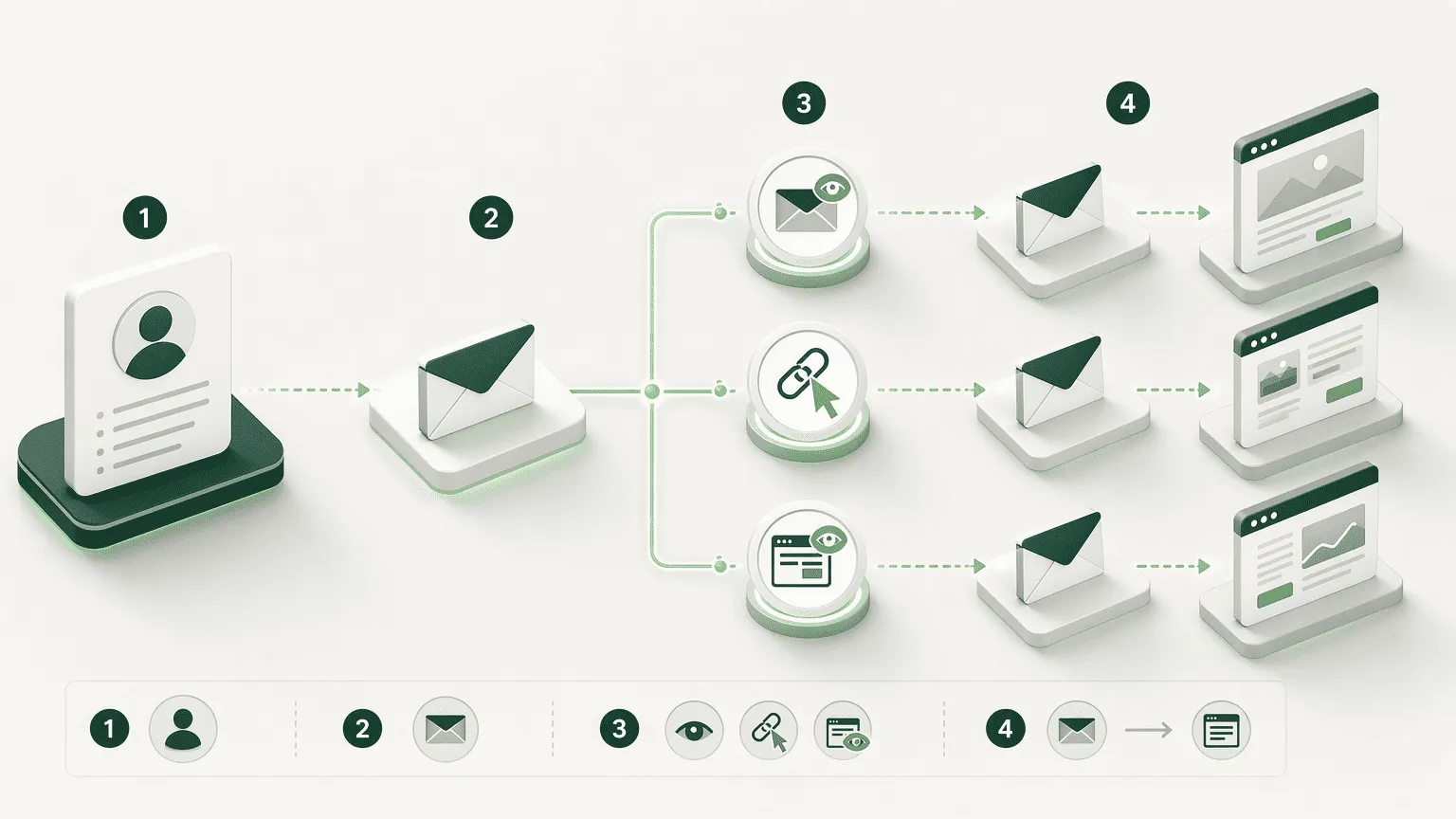
ActiveCampaign watches what your leads click, which pages they visit, and which emails they open, then automatically routes them through sequences built to close a sale. It is not a newsletter tool. The Plus plan, at roughly $70/month for 1,000 contacts, gives solo practitioners a way to convert subscribers into customers without adding a sales hire.
Key capabilities that set it apart from a simple newsletter tool:
- Conditional email triggers: Send a different email to each contact based on what that contact actually did.
- Behavior-based routing: Someone clicks a pricing page but does not book? They enter a follow-up sequence. Someone downloads a lead magnet and opens two nurture emails? They get tagged as warm and skipped straight to a booking prompt.
- Automated selling capacity: These conditional workflows run while you handle delivery, client work, or sleep.
The ROI math is simple. If the Plus plan costs $70 and one extra monthly conversion is worth even $500, the subscription pulls a 7x return. That is the framing shift: ActiveCampaign buys automated selling capacity that otherwise requires a part-time salesperson or hundreds of manual hours.
Site tracking is the feature that ties this together. ActiveCampaign sees which pages a contact visits and triggers emails based on that behavior. A lead who reads three case study pages signals different intent than someone who opened one newsletter. The platform reads those signals and responds immediately, turning a passive email list into a predictable booking pipeline.
6. Canva Pro, The Solo Visual Production Studio
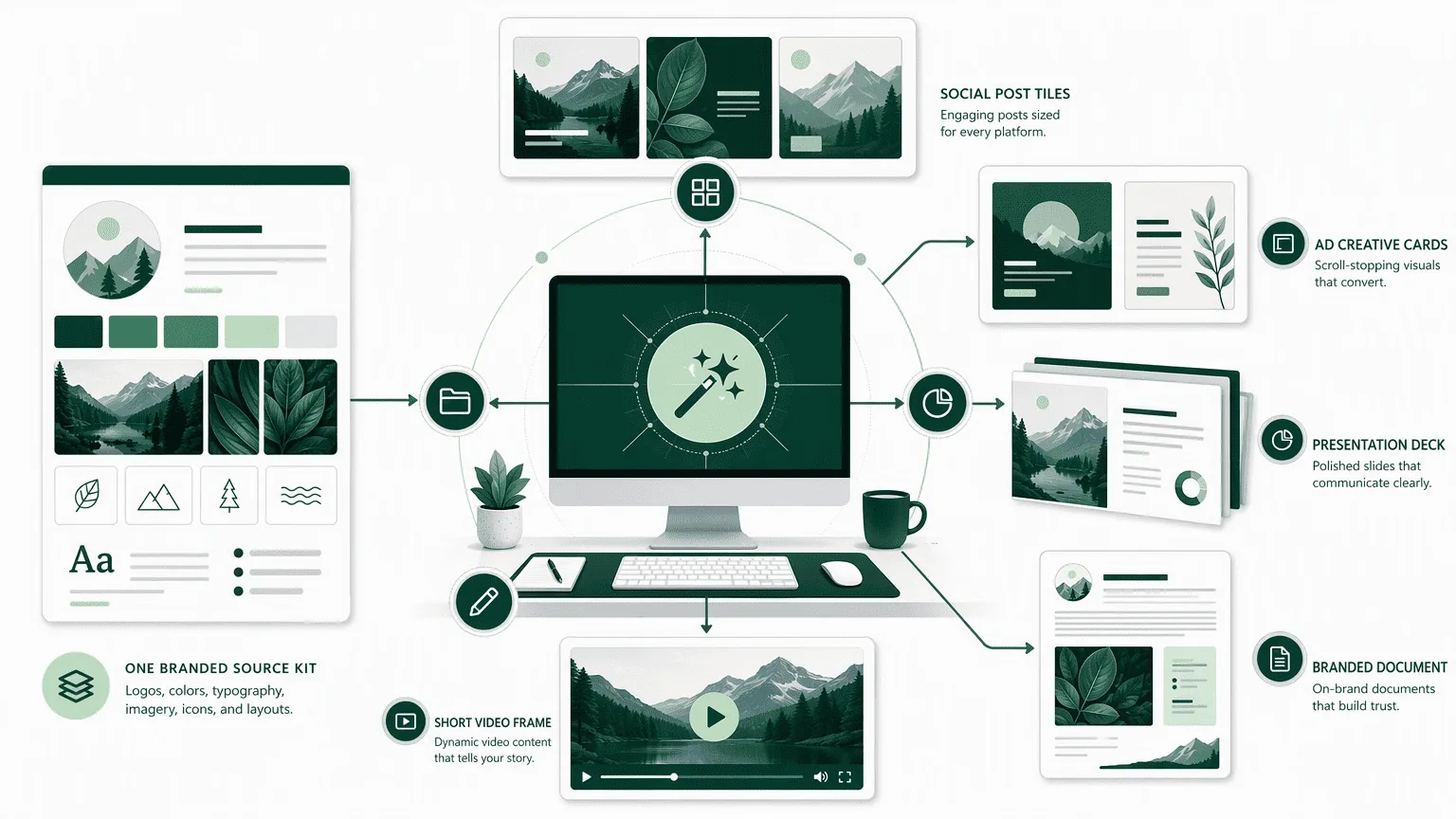
Canva Pro covers every visual asset a solo practitioner produces, social media graphics, ad creatives, presentation decks, short videos, and branded documents, for $13/month. The following table breaks down what the Pro tier consolidates compared to the free version and traditional design alternatives.
| Capability | Canva Pro | Canva Free | Traditional Design Workflow |
|---|---|---|---|
| Brand consistency | Brand Kit with locked fonts, colors, and logos applied across all designs | Manual recreation of brand elements per project | Style guide maintained separately by designer |
| Asset production speed | Magic Resize adapts one design to multiple formats in one click | Rebuild designs per platform spec | Designer rebuilds each format from scratch |
| Background removal | One-click Background Remover built in | Not available; requires external tool | Photoshop or external editor required |
| AI design assistance | AI features generate layouts, copy, and image variations from prompts | Limited AI features | No automation; fully manual from brief |
| Monthly cost | ~$13/month, single seat | $0 | ~$50 to $500 per asset or retainer |
| Video and animation | Simple video editing and animated graphics included | Basic animation only | Separate video tool subscription required |
7. Systeme.io, The Funnel-First Free Forever Contender
Systeme.io is the emergency lever for solo practitioners operating at the thinnest possible margin. The free plan ships a complete sales funnel builder, email marketing, course hosting, and automation engine with no expiration date. You can run full marketing operations on zero monthly software spend.
The free plan includes up to 2,000 contacts, three sales funnels, and basic automation rules. That is enough to build a lead capture page, deliver a freebie, and follow up with an email sequence. You also get course creation tools and a blog, covering the entire content-to-conversion pipeline under one login.
The limits are real. The 2,000-contact cap will pinch faster than you expect if your lead magnet performs. Paid plans start at $27/month, which still leaves room for Semrush, Canva Pro, and a paid email automation tool inside a $500 budget.
Use Systeme.io's free tier as a launch pad. Start here when cash is truly tight, validate which channels produce revenue, then graduate to the specialized tools that do each job at a higher grade. The platform is proof that free-forever software has matured.
8. Wix Studio, The Integrated Website & SEO Launchpad
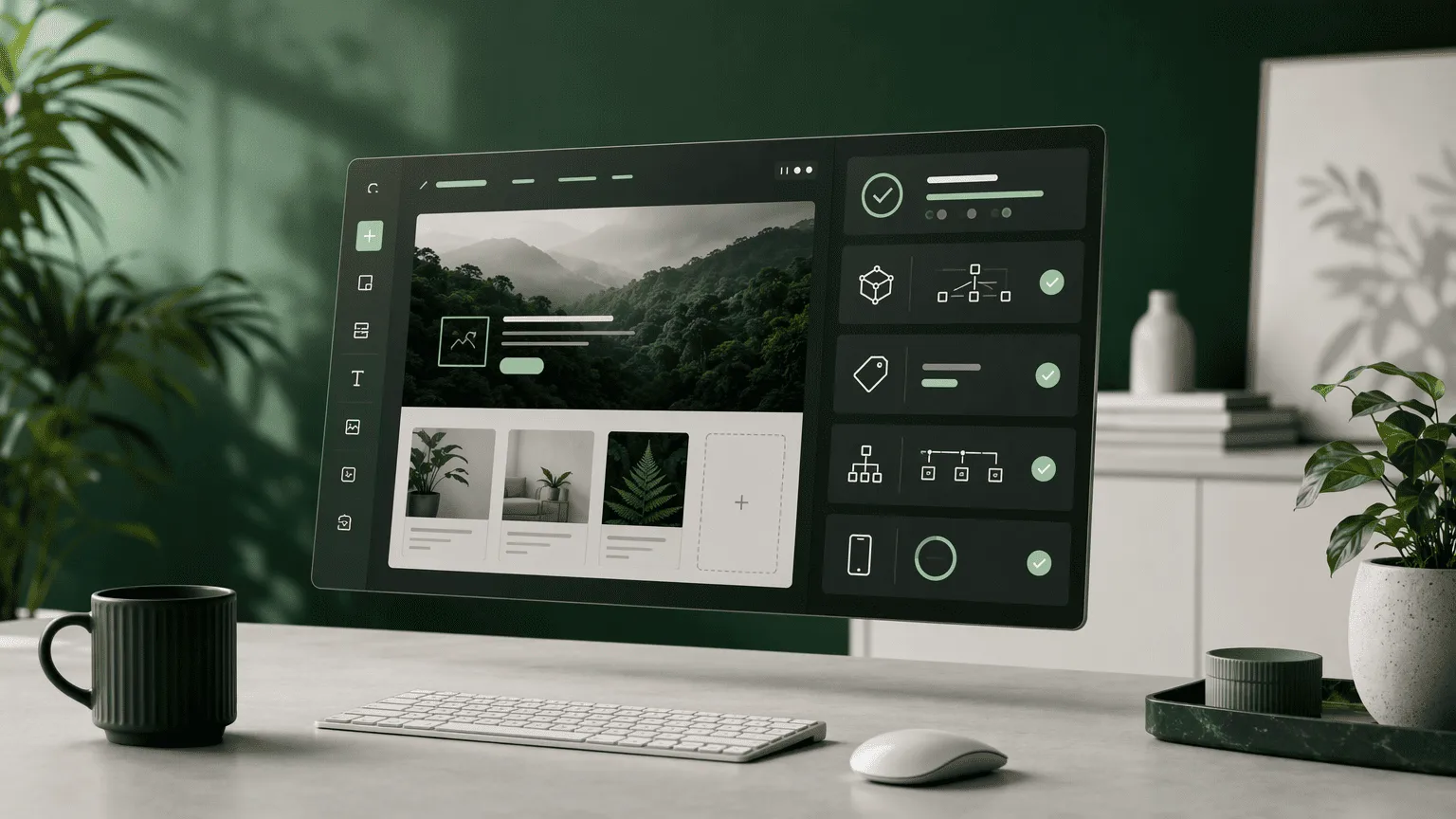
Wix Studio gives solo practitioners agency-grade design control, integrated SEO tooling, and reliable hosting in a single Core plan around $29/month. You pay one bill for the whole web presence engine. No separate hosting provider, no SEO audit subscription, and no hourly rate for layout tweaks.
The built-in SEO dashboard handles the technical basics that most solo sites miss:
- Integrated issue detection: Structured data, canonical tags, XML sitemaps, and mobile performance scores all live in one place.
- Plain-language fixes: It flags issues in plain language, not dev-speak, and you fix them in the same interface where you built the page that triggered the alert.
Design flexibility is where Wix Studio separates from cheaper website builders. You aren't locked into rigid template sections. The editor gives you pixel-level control over responsive breakpoints, animations, and custom layouts. For a solo practitioner whose website is the primary conversion asset, that control means you build the page that converts rather than the page the template permits.
Conclusion
Build the stack based on what's already converting, not on what a roundup recommends.
Start with HubSpot's free CRM or Systeme.io's free funnels. Add Semrush as the single intelligence purchase that makes every subsequent marketing decision data-backed. Then layer in one automation engine matched to your primary conversion motion, ActiveCampaign or Beehiiv. Canva Pro and Wix Studio fill the horizontal gaps for $42/month combined.
Three stacks that all clear under $500: a zero-spend starter (Systeme.io free + Canva free + HubSpot free CRM), an organic-growth build (HubSpot free + Semrush Pro at ~$130 + Beehiiv Growth at $42 + Canva Pro at $13 = ~$185/month), and a paid-acquisition machine (Clinads + ActiveCampaign Plus at ~$70 + Semrush Pro at ~$130 + Canva Pro at $13, comfortably under $500). Match the stack to your primary acquisition motion, run it for 90 days, and measure which tool generates the marginal conversion that justifies its seat.
Want to see what your first month of ClinAds creative would look like? Book a 30-minute intro call.
Frequently Asked Questions
What are the most cost-effective all-in-one marketing platforms under $500/month for a solo entrepreneur?
Systeme.io's free plan is the most cost-effective all-in-one at zero dollars, bundling funnels, email, and courses. HubSpot's free CRM plus optional Starter hubs scales inside a $500 budget. Clinads consolidates AI-driven ad creation and analytics into one interface for operators running paid acquisition.
Which standalone marketing tools fit a sub-$500 budget and integrate well?
ActiveCampaign Plus (~$70/month for 1,000 contacts) and Beehiiv Growth ($42/month) handle email automation and newsletters natively. Semrush Pro (~$130/month) covers SEO intelligence. Canva Pro ($13/month) handles design. HubSpot's free CRM acts as the central contact record that ties them together.
What features should a solo practitioner prioritize vs. sacrifice when choosing marketing software on a limited budget?
Prioritize automation triggers and contact segmentation over vanity analytics and report builders. Sacrifice multi-user seats you will never fill. A tool that runs behavior-based email sequences earns its cost; a dashboard that shows open rates but triggers no action does not. Pay for execution, not visibility.
Are there free or open-source marketing tools strong enough for a solo US business, and where do they fall short?
HubSpot's free CRM delivers contact management, deal tracking, and basic email at no cost. Systeme.io's free plan covers funnels, courses, and email up to 2,000 contacts. Both fall short at scale, contact limits and automation depth tap out once you graduate beyond basic nurture sequences.
How much should a solo business owner expect to pay for key marketing software in the United States in 2026?
A functional stack runs $0 to $200/month. An elite stack with paid intelligence, advanced automation, and AI-driven growth fits between $300 and $500. Budget above $500 only if a specific tool's marginal conversion output justifies the line item directly, never pay for theoretical upside.
What are the hidden costs or pricing pitfalls solo practitioners face with low-cost marketing platforms?
Contact-based pricing is the biggest pitfall. Platforms that charge per contact inflate your bill as your list grows, even if those contacts produce zero revenue. Watch for transactional email fees hidden outside the base subscription, and avoid annual contracts that lock you before you have validated the tool's ROI.
Sources
- The Rise of Free SaaS Tools as Lead Magnets (& How Marketers Can Take Advantage) - blog.hubspot.com
- U.S. CMOs' changes in off & online marketing 2026| Statista - www.statista.com
Want help executing this for your clinic?
Book a 30-minute call and we will map what a real ad engine would look like for your specific service mix.
Book a call