
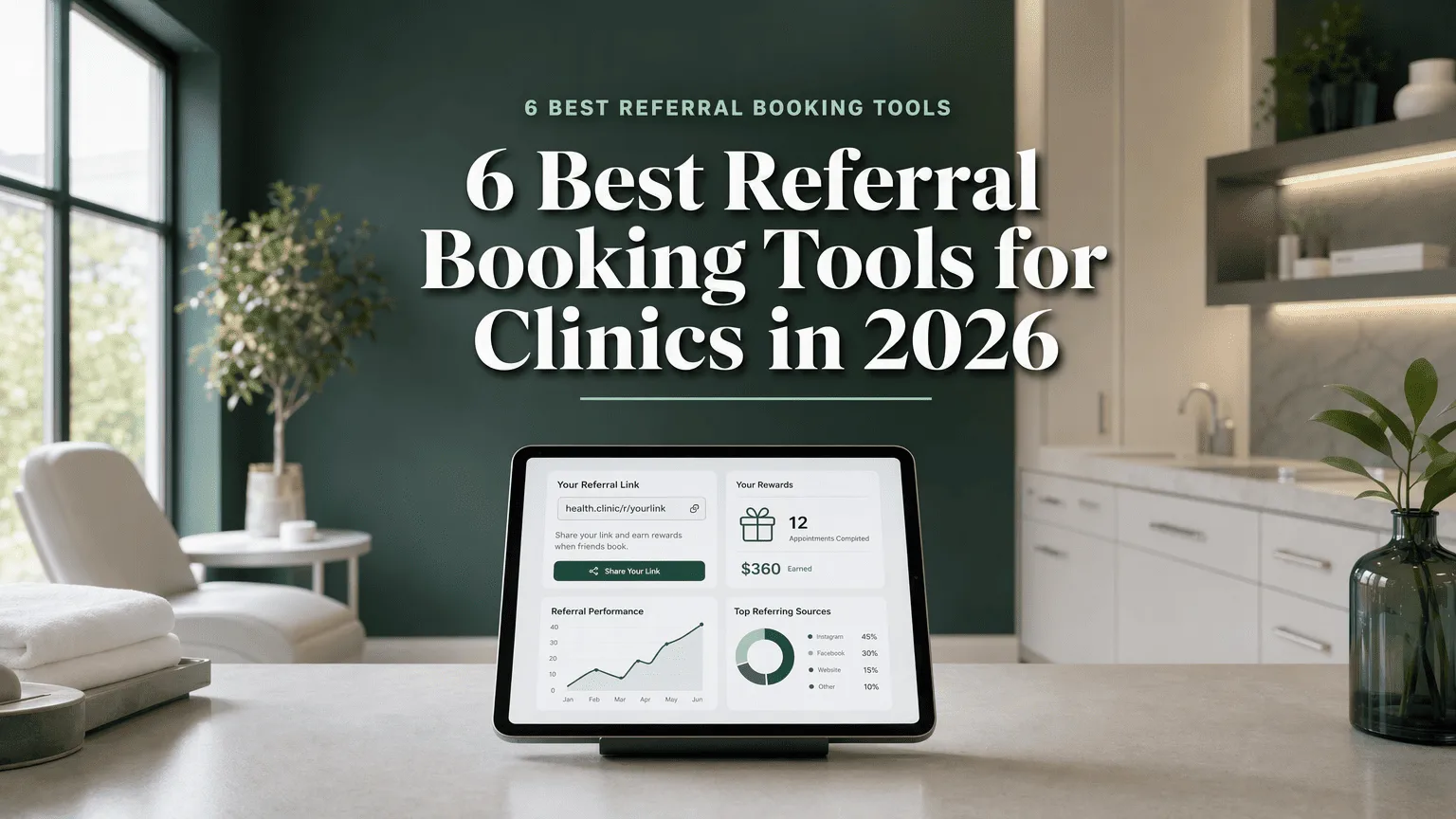
6 Best Referral Booking Tools for Clinics in 2026
Summary: In 2026, the best referral booking tools for clinics include Jane App for multi-disciplinary teams, Noterro for solo practitioners, Referral Rock for dedicated referral automation, Birdeye for SMS-based engagement, Heallant for AI-powered predictive scoring, and Clinads for a comprehensive referral engine. These tools enhance referral tracking, automate reward delivery, and integrate with existing practice management systems to optimize patient acquisition and retention.
Introduction
Most clinics are still running their referral program with a clipboard and a hope that someone mentions them at brunch. That is luck with a pen attached, not a channel.
A modern referral-based booking campaign is an engineered system. The clinic issues a unique booking link to an existing patient. That patient shares it. A new patient books through that link, and the software attributes the booking to the correct referrer, triggers a reward, and logs the cost per acquired patient (CPA) against the lifetime value (LTV) of that new patient.
The difference is measurable. While referrals remain the most common way health and wellness businesses attract new clients, manual tracking misses the economics. You cannot optimize what you cannot count. Purpose-built tools move you from "I think most of our new patients come from word-of-mouth" to knowing that a referred patient costs you $42 to acquire and generates $2,100 in year-one LTV. If you cannot calculate those two numbers, stop reading this and fix that first.
Key Takeaways
Your clinic runs on a specific set of workflows, scheduling quirks, and patient expectations. Match the software to those realities first.
- General marketing platforms are not. Clinads is the only platform here built from the ground up to close that gap.
- Native features are mostly absent: The top practice management systems, Jane App and Noterro, do not have built-in referral campaign engines. Expect to layer on a dedicated automation tool.
- Reward fulfillment is the conversion lever: The software that can instantly deliver a digital gift card when an appointment is completed removes the biggest friction point: the forgotten reward.
- Predictive scoring is the new edge: AI tools like Heallant now score a patient's likelihood to refer, letting you proactively target potential referrers instead of blasting every patient and hoping for the best.
- The stack is the strategy: No single tool does it all. The winning clinics pair a practice management backbone (Jane or Noterro) with a referral engine (Referral Rock or Clinads) and a communication layer (Weave or Birdeye).
1. Jane App: The All-in-One Practice Management Pick for Multi-Disciplinary Teams
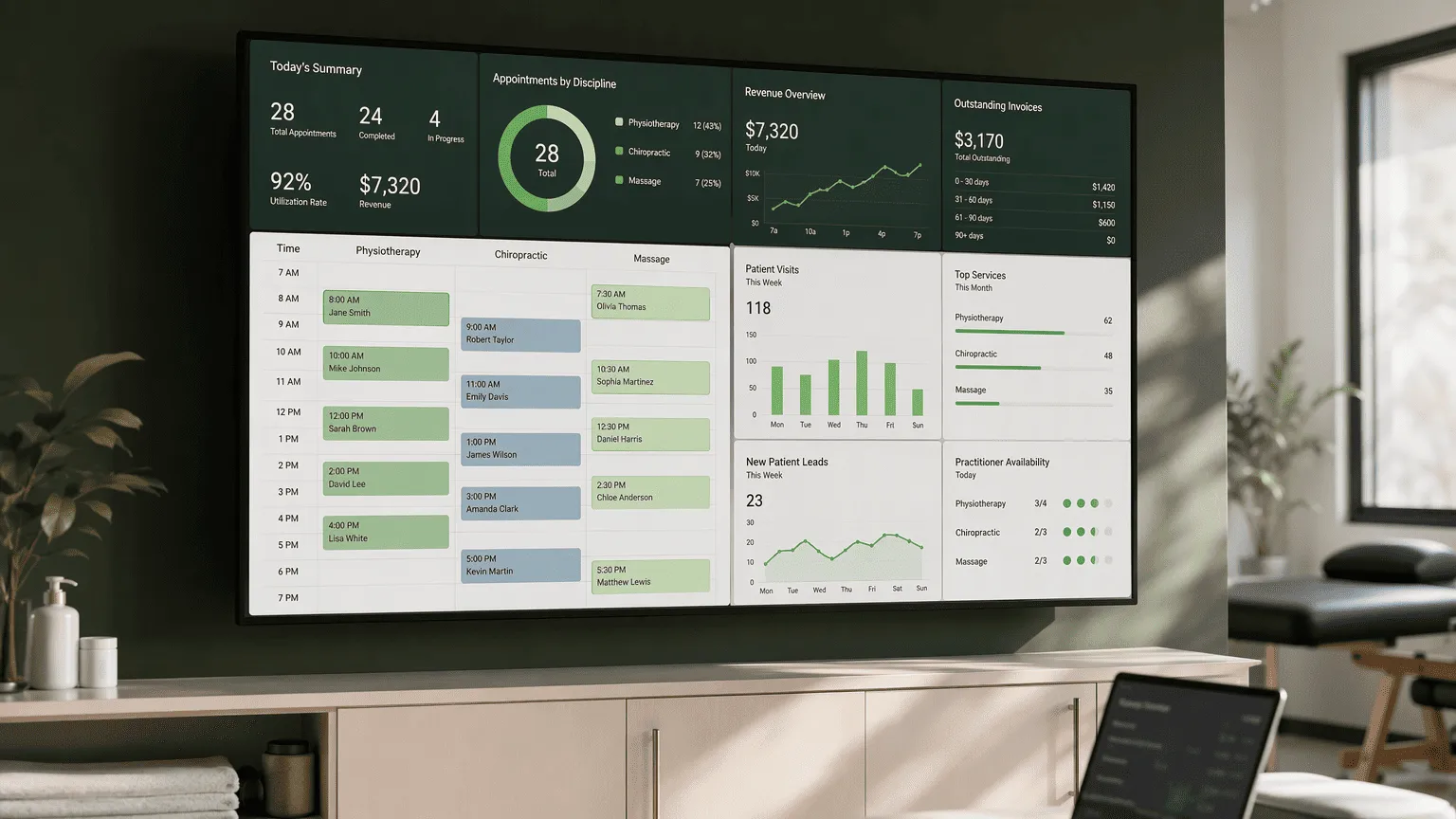
Jane App is the operational backbone for a complex, multi-practitioner clinic. It is also a referral marketing blank slate.
Jane handles multiple practitioners across disciplines with integrated online booking, charting, and billing. In a clinic running physiotherapy, chiro, and massage under one roof, the scheduling complexity alone demands a platform that does not break. Jane is the premium answer, and the market prices it that way.
The gap you need to plan for is native referral automation. Jane does not come with a built-in referral campaign tool. The common clinic workaround is bolting on a third-party integration to track Facebook Pixel events and using a separate automation layer to manage rewards.
This works, but it adds cost and complexity. If you are running a tight operation where the front desk is already stretched, the manual overhead of patching together a referral program on top of Jane will show up in delayed rewards and dropped follow-ups. What you get in return is a booking system that handles the hardest operational problem well.
For a multi-disciplinary clinic, the right referral stack starts with Jane running the day-to-day and adds a dedicated referral engine on top to manage the campaign. The patient books through Jane.
The attribution and reward happen in the other tool. You end up with a two-tool stack because Jane prioritises the core clinic workflow.
2. Noterro: The Affordable Charting & Booking Solution for Solo Practitioners

Noterro runs 30 to 50% cheaper than its premium competitors, and for a solo practitioner, that price delta funds the rest of your referral stack.
If Jane App is built for multi-practitioner clinics with front-desk teams, Noterro strips the platform down to what a one-person practice actually uses: charting and booking. The cost advantage is the point. A solo physio or RMT paying significantly less for their practice management system can redirect that margin directly into a dedicated referral tool like Referral Rock without seeing their total software spend creep past a reasonable threshold.
Like Jane, Noterro relies on external integrations to build and automate a referral campaign. That keeps the platform affordable and fast. The practical setup for a solo clinic: use Noterro as the booking and charting core, then connect it to a referral platform that handles link tracking, attribution, and reward delivery. You are buying that capability separately with the money you saved on the PMS subscription.
3. Referral Rock: Dedicated Referral Automation with Deep Integrations
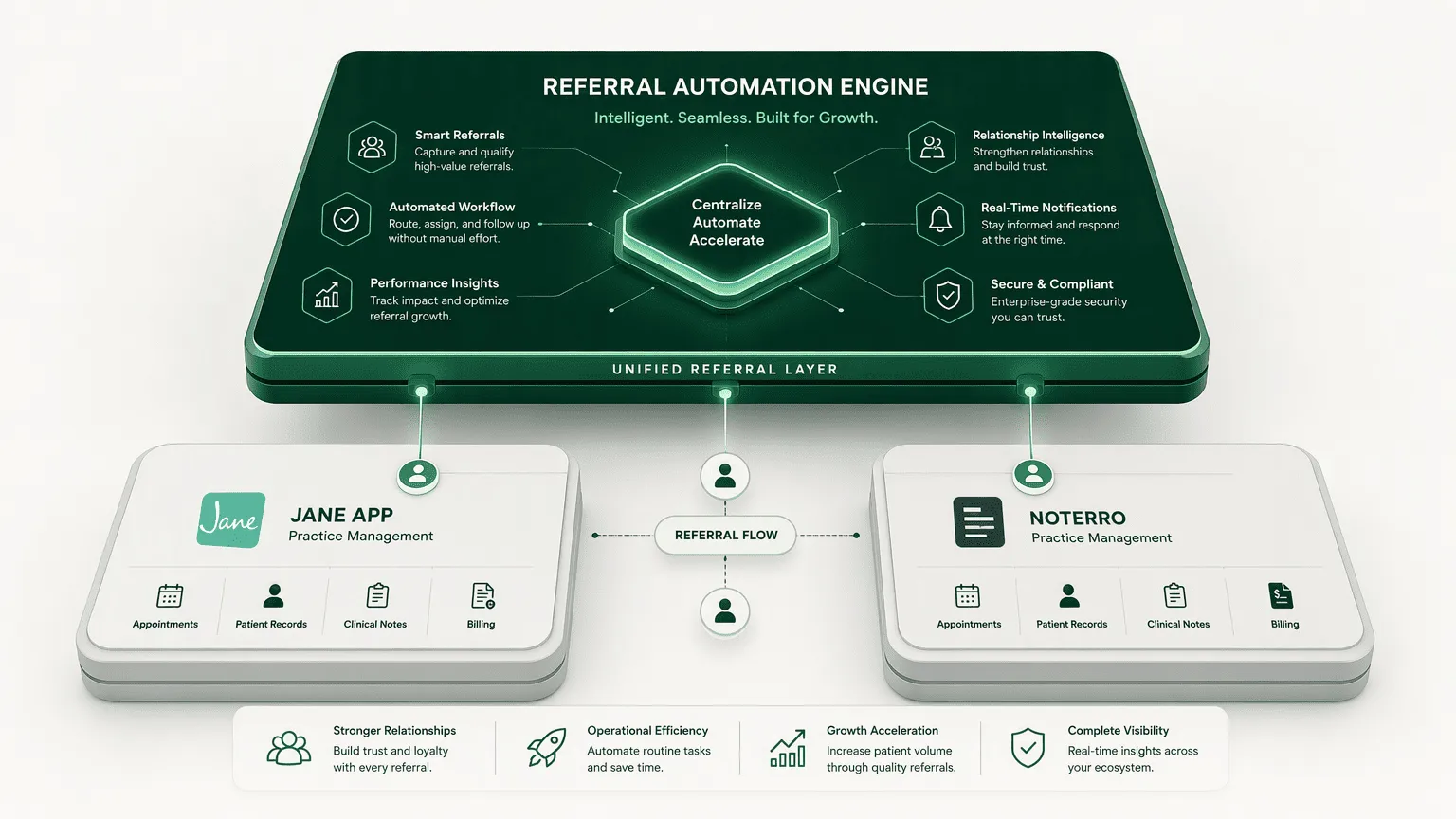
Referral Rock fills the native feature gap that Jane App and Noterro leave open. It's the engine that makes any booking system track referrals like a paid channel. It plugs into your existing practice management software and runs a full referral program on top of it.
Here is how it stacks against the practice management platforms it connects to:
| Feature | Referral Rock | Jane App | Noterro |
|---|---|---|---|
| Primary Function | Referral program automation | Practice management, multi-practitioner | Practice management, solo practitioners |
| Native Referral Link Tracking | Yes, any program type (link, coupon, invite) | No, requires third-party integration | No, requires external integration |
| Automated Reward Delivery | Yes, configurable triggers | No native reward system | No native reward system |
| Best Pairing | Any EMR or practice management system needing referral features | As the booking backbone for multi-disciplinary clinics | As the budget-friendly booking layer for solo clinics |
4. Birdeye: Experience Platform with Strong SMS and Automated Reminders
A referral link that nobody opens earns you nothing. Birdeye puts SMS at the center of its flow, and the math behind SMS open rates makes the choice obvious. Text messages get opened at roughly 98%, and 90% of those opens happen within three minutes. Email doesn't come close, especially for local service businesses where the recipient is a person waiting for their kid's soccer practice to end.
Birdeye sends the referral prompt by text and attaches the automated appointment reminders to the same thread. The referred patient receives a booking link immediately. The system keeps nudging until they schedule.
When the appointment lands, the original patient enters a reward flow and the clinic fills a slot that most practices lose because they treat referrals as an afterthought rather than a triggered sequence. Manual follow-up on a referral lead is where the conversion dies. Someone calls, the front desk is busy, the lead goes cold.
Birdeye removes that handoff entirely. The sequence fires on its own, and clinics book patients they would have dropped on the floor.
5. Heallant: AI-Powered Patient Referral Network with Predictive Scoring
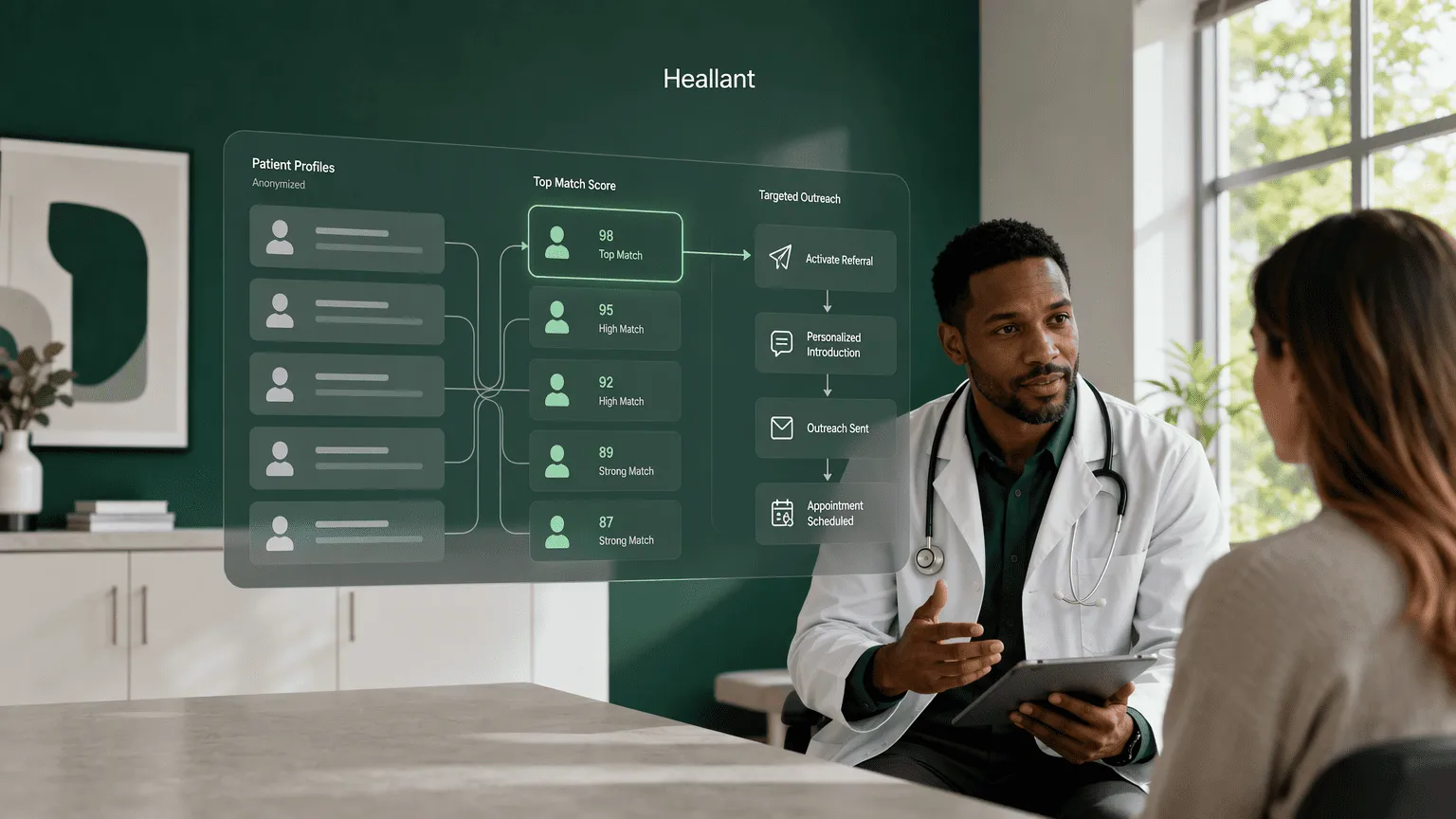
Heallant changes the referral model from passive distribution to targeted activation. You use a predictive algorithm to identify who is most likely to share your practice with others, then prompt them directly.
The platform is a physician-patient matching network with a scoring layer that evaluates a patient's likelihood to refer. That score becomes an operational input. You stop chasing every patient for a referral and prioritize outreach to the top-scored segment. Campaign spend concentrates on the patients with the highest predicted conversion rate. A referral campaign becomes a capital allocation problem: invest communication time where the model says the return lives.
A clinic using Heallant effectively identifies the 150 patients with a high referral likelihood score, crafts a specific prompt for them, and measures whether the algorithm's picks convert at a higher rate than the general population. Over three months, that delta either justifies the tool or it does not.
This is the most advanced approach on the list and the hardest to execute without a clinic that already has clean booking data and a practice manager who wants to manage a campaign like a financial portfolio.
6. Weave: Communication-First Platform with Integrated Rewards Fulfillment
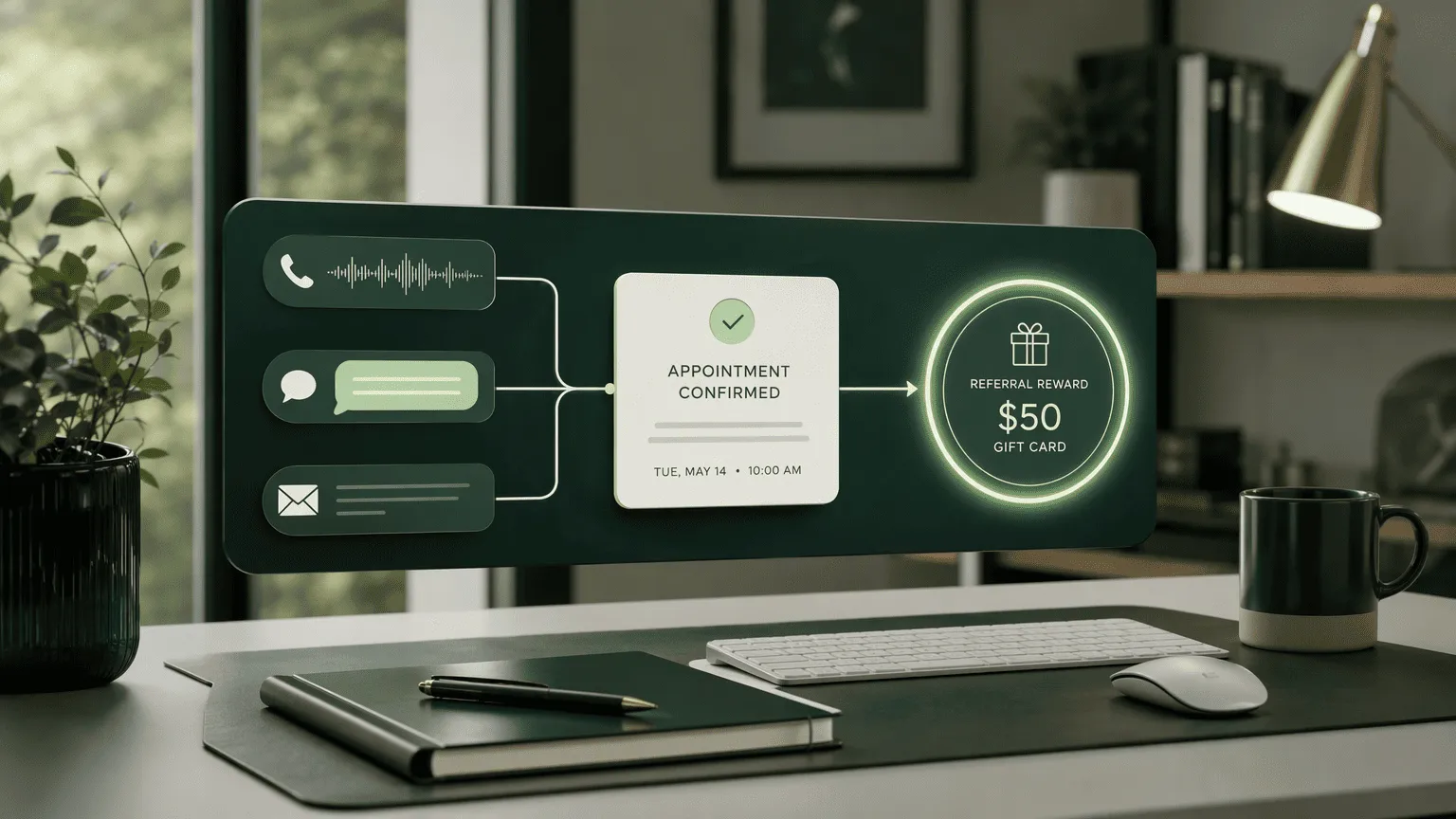
The reward is the moment the entire referral loop either closes or breaks. Weave bundles the communication layer with the payment rail so the reward fires the instant the appointment is marked as complete.
Weave is a unified communications platform that handles phones, texts, and email for a clinic. The referral capability sits on top of that infrastructure. When a referred patient schedules through the system and that booking is completed, the integrated payments engine can trigger a digital gift card to the referrer automatically. No one on the front desk has to remember to check a report and mail a Starbucks card.
This solves the tangible operational problem that kills most clinic referral programs: delayed or forgotten rewards. When a patient refers someone and the promised incentive shows up three weeks later, they stop referring. When it shows up the same day the appointment closes, they do it again. Weave makes the delivery instant because it owns the communication and the fulfillment mechanism in one platform.
Conclusion
Your clinic's referral stack comes down to one decision: what is the single biggest constraint you face right now?
If compliance rules every decision, start with Clinads on top of your current EMR. If the budget is tight, use Noterro for booking and put your dollars into Referral Rock for campaigns. If you need a referral engine that communicates, attributes, and rewards on its own, pair Weave's fulfillment tools with whatever scheduler you already run.
The mistake clinics make is buying a single tool and hoping it solves three separate problems at once.
Practice management platforms handle appointments and billing. They do not automate referral campaigns out of the box. General referral tools track leads but do not handle PHI.
Communication platforms move messages but do not score which referrers are likely to send the next patient. The winning clinics this year run a stack because the problem splits cleanly into compliance, tracking, and fulfillment. Solve each with software built specifically for that layer.
Frequently Asked Questions
What are the best referral booking tools for clinics in 2026?
The best tool depends on your top constraint.
- For an all-in-one practice backbone that requires a referral layer added on: Jane App works best.
- For solo practitioners seeking an affordable booking core: pair Noterro with Referral Rock.
- For clinics that want predictive, AI-driven referral targeting: evaluate Heallant.
How does a referral-based booking campaign work step by step?
The clinic distributes a unique tracking link to an existing patient. That patient shares it. A new patient clicks the link and books an appointment. The software attributes the booking to the original patient and triggers a reward, such as a discount or gift card. The clinic then tracks the cost per acquired patient and lifetime value of that new booking against the program cost.
What features should a clinic look for in referral booking software?
Look for three non-negotiable capabilities.
- Unique link tracking: attributes every booking to a specific referrer.
- Automated reward fulfillment: triggers instantly when a referred appointment is completed.
- Predictive scoring is a valuable fourth feature if you want to target high-likelihood referrers proactively.
What referral rewards typically drive the highest patient conversion in healthcare?
The provided source data does not specify which reward type drives the highest conversion in healthcare, and the answer varies by clinic vertical. The operational principle that matters is speed to fulfillment. A reward delivered instantly the same day a referred appointment is completed will outperform a higher-value reward delivered three weeks later, every single time.
How do clinics measure the ROI of a patient referral program?
Measure two numbers.
- Cost per acquired patient: the total reward and software cost divided by the number of new patients booked through the referral link.
- Lifetime value of referred patients versus patients acquired through other channels. You need the software to attribute new bookings directly to a referral source and connect that to subsequent revenue.
General marketing platforms are not. If your tool cannot provide a BA agreement and does not have technical controls around PHI sharing, using it for a patient referral campaign that passes any identifying data is a compliance risk, not a marketing one.
Sources
- Clinic Ad Examples That Convert | ClinAds - getclinads.com
- Client Referral Software | ClinicSense - clinicsense.com
Want help executing this for your clinic?
Book a 30-minute call and we will map what a real ad engine would look like for your specific service mix.
Book a call