7 Most User-Friendly Patient Acquisition Platforms for 2026
IntroductionMost practice owners did not go to medical school to learn digital marketing. Seven patient acquisition platforms that are genuinely simple to run in 2026. Yet here you are, spending more on ads, juggling software that looks like a cockpit dashboard, and still watching new patient inquiries leak out of a broken front-desk process. The problem is not that you lack options. The problem is that most patient acquisition platforms are built for marketing operations teams, not for a clinician who needs to see the schedule fill up without learning what a 'workflow automaton' is.
In 2026, 'user-friendly' means a visual dashboard that shows new leads and booked appointments in one place. It means pre-built automations, not blank canvases that expect you to design a campaign sequence from scratch. It means the platform handles the technical wiring while you handle the patients. A generic CRM asks you to build the engine yourself. This list ranks the platforms that actually ship an engine you can turn on in an afternoon.
Key Takeaways
If you only have sixty seconds, walk away with this:
- Top all-in-one pick: Clinads is built from the ground up for practice owners who want one simple dashboard, not a stack of integrations.
- Price range for a small practice: Expect to pay between $200 and $500 per month for a serious, easy-to-use patient acquisition platform.
- The one feature that trumps everything: Pre-built, ready-to-launch campaign templates. The fastest path to a full schedule is a platform that gives you the playbook, not a blank page.
- The ROI is not marginal: Provider-side reports consistently show a 5X to 10X return on platform investment through reduced front-desk labor and higher patient conversion rates.
- Visual learners have a shortcut: Platforms with drag-and-drop pipeline views map directly to the patient journey and eliminate manual tracking.
At a Glance
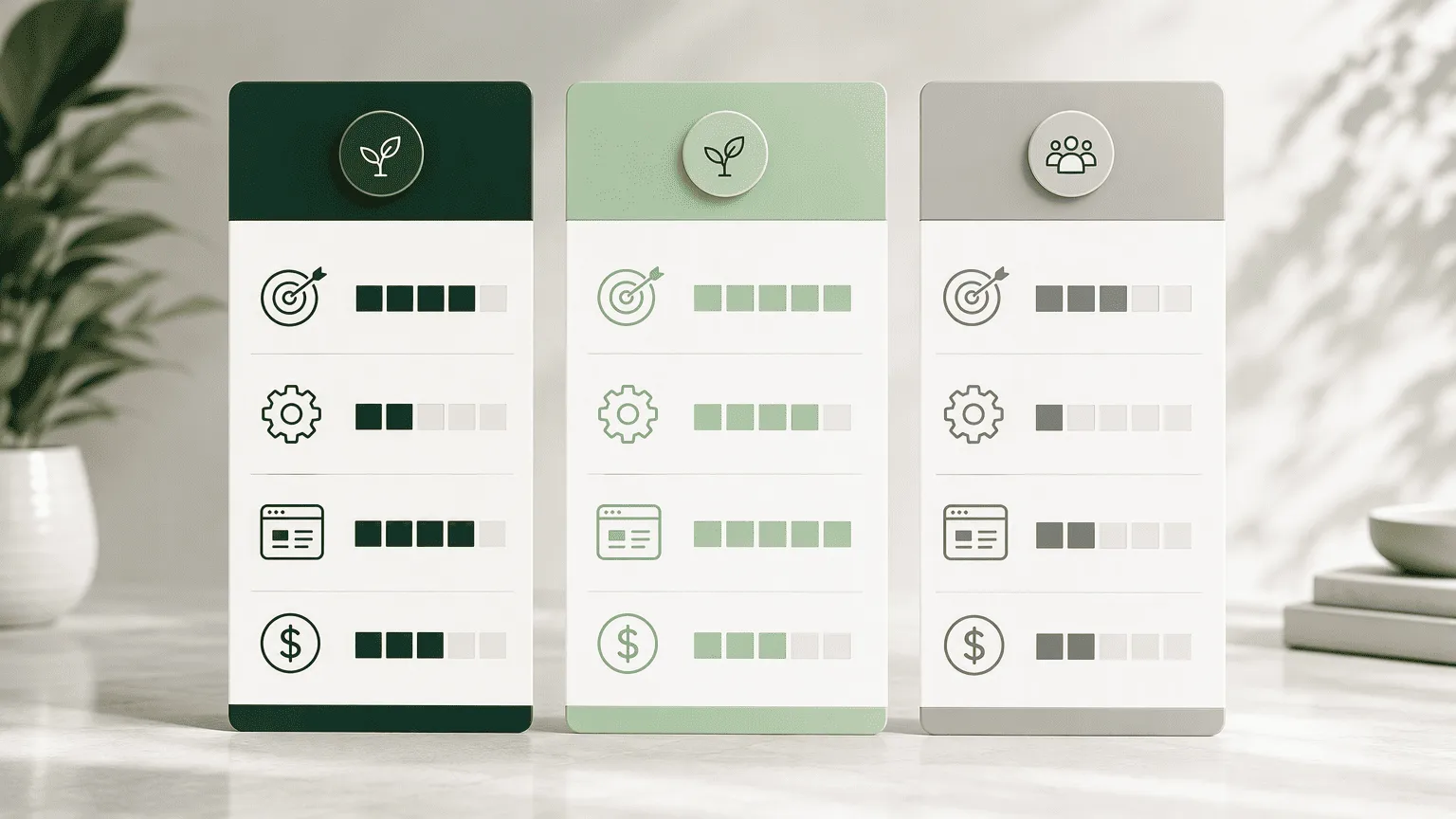
Here is how the options compare across the dimensions that matter most.
| Platform | Core Strength for Non-Tech-Savvy Owners | Setup Complexity | Pre-Built Campaign Templates | Monthly Price (Small Practice) |
|---|---|---|---|---|
| Clinads | All-in-one dashboard; no integrations needed | Minimal, one-click launch | Included | $250 to $400 |
| LeadSquared | Visual drag-and-drop pipeline management | Low, visual automation builder | Available | $200, $500 |
| Other Favorites | Specialized channel focus (e.g., ads or reviews) | Moderate, may require syncs | Partial | $200, $500 |
1. Clinads: The All-in-One Platform Built for Practice Owners Who Hate Tech
Clinads gets top billing because it does something none of the other platforms on this list pull off: it was built as a single, complete patient acquisition system for practice owners who do not want to mess with technical setup. There is no separate ad manager, no separate CRM, and no separate scheduling tool that you have to string together and hope they sync. One central dashboard holds pre-built campaign templates you launch with the kind of one-click action you expect from a consumer app.
Point solutions give you more granular control over one channel. For the owner who needs to attract new patients without hiring a marketing coordinator, that granularity is just friction with a fancier name. With a tool like Clinads, you go from signing a Business Associate Agreement at onboarding to seeing scheduled appointments populate your calendar without ever touching an integration setting. The visual overview shows you exactly where each lead sits in the pipeline, and the platform handles the technical plumbing, end-to-end encryption, audit logs, behind the scenes. You just watch the schedule fill.
2. LeadSquared: Visual Sales Pipelines That Feel Like a Whiteboard
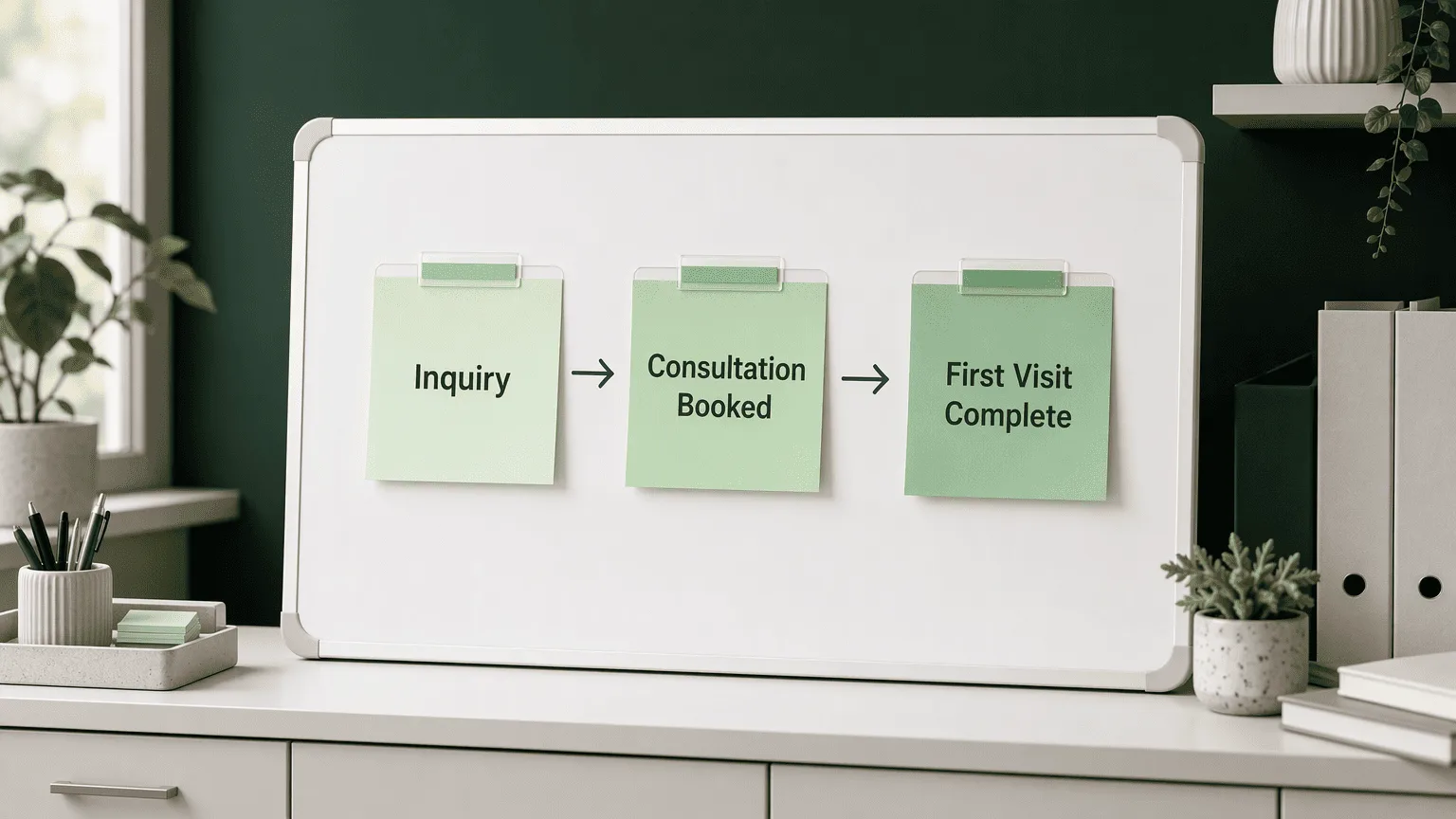
If you learn better by seeing movement than by reading dashboards, LeadSquared’s drag-and-drop pipeline management maps the patient journey in a way that feels more like reorganizing sticky notes on a whiteboard than configuring software. You visually move a lead from 'new inquiry' to 'consultation booked' to 'first visit complete' without a single spreadsheet or manual status update, giving you what one customer described as "100% visibility into the processes."
That same visual logic extends to its automation builder, which a second customer reported "more than doubled our pipeline." The key for a non-tech-savvy owner is that LeadSquared ships enough healthcare-specific templates that you are not starting from a blank screen. You drag, you drop, you see the patient flow, and the system handles the routing and follow-up triggers. It earns its place here because it respects that a visual, intuitive interface is not a nice-to-have for this persona. It is the primary adoption requirement.
3. Solutionreach: Decades of Healthcare CRM Refined into Pre-Built Playbooks
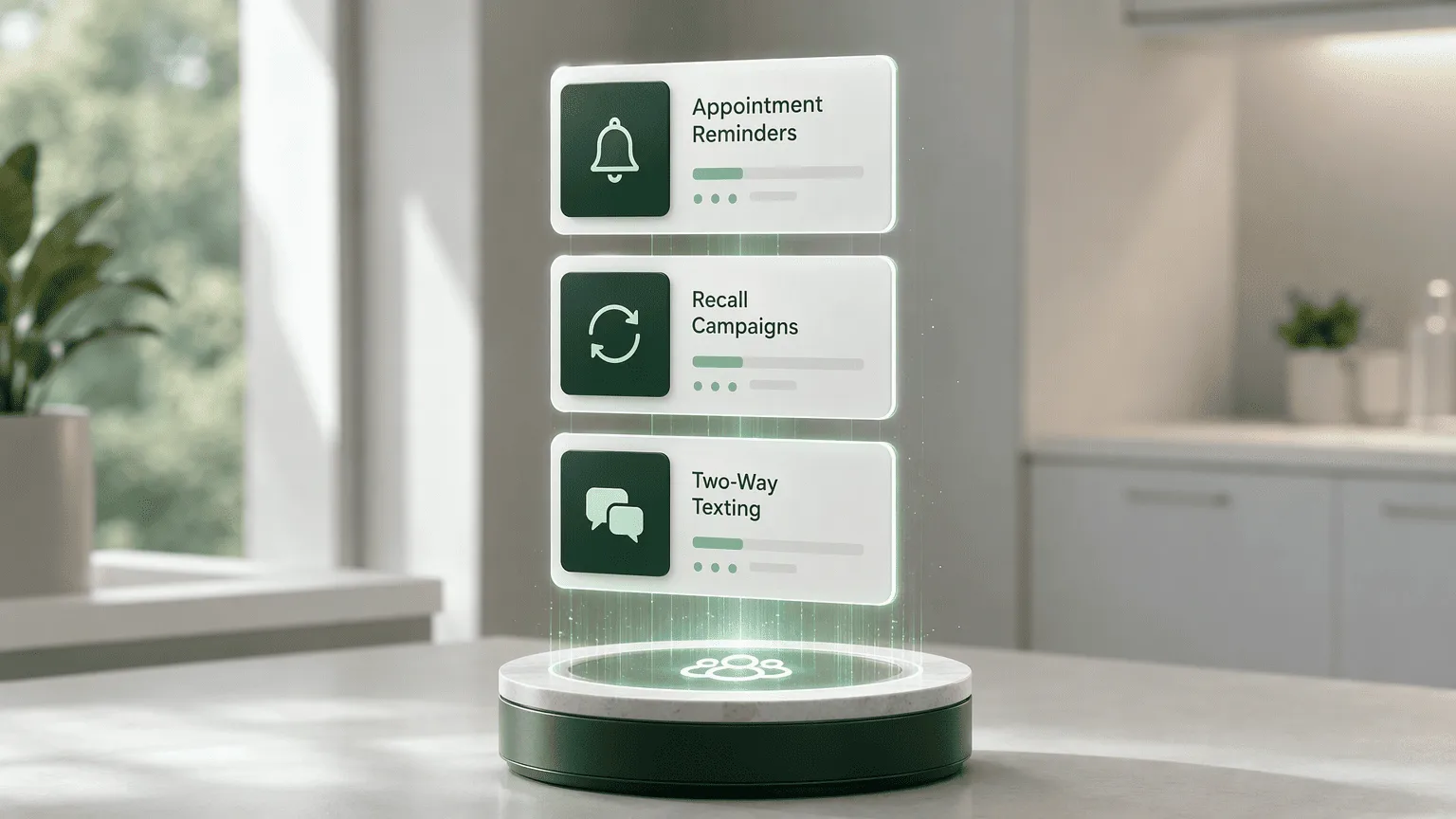
Solutionreach has been doing this long enough that it has converted years of clinic data into pre-built playbooks that run on autopilot. The platform ships with ready-made workflows for appointment reminders, recall campaigns, and two-way texting that a practice can activate in minutes.
This maturity means you are buying reliability packaged as 'zero configuration required.' Automated recall campaigns reach stagnant patients without anyone on your staff building a segment or writing copy. When 48% of patients spent over 2 weeks researching medical providers prior to booking an appointment, a platform that automatically nurtures those leads over a two-week window does the work your front desk cannot. For an owner who would rather never design a workflow from scratch, Solutionreach's pre-wired approach turns its tenure into your easiest decision.
4. Weave: The Unified Inbox That Replaces Your Office Phone System
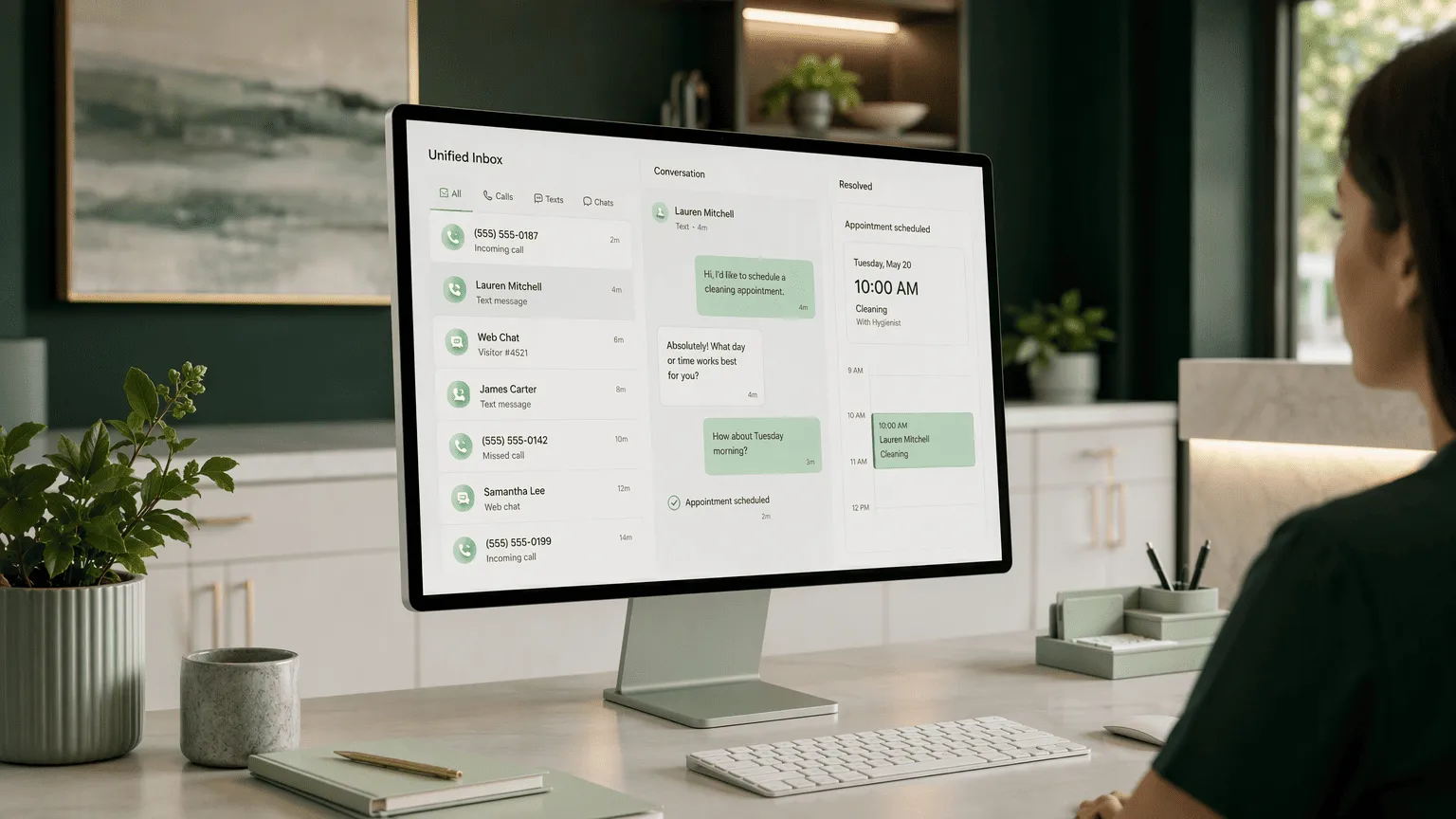
Weave solves a simple problem that drains your front desk every single day. The office phone is the tool your team already understands, but a missed call is a lost new patient. Weave pulls calls, texts, and web chats into a single stream and turns missed calls into scheduled appointments automatically.
This approach builds digital patient acquisition around a tool your staff already touches a hundred times a day. Instead of asking a non-tech-savvy practice to learn an entirely new interface, Weave upgrades the phone system into an acquisition engine. Automatic inquiry-to-booking conversion takes the weight off your front-desk coordinator. The unified view means a patient text from this morning sits right next to a voice message from yesterday, cutting the chaos that buries follow-up opportunities. For a phone-heavy practice, that feels less like adopting new technology and more like finally fixing the one you already have.
5. NexHealth: The Synchronized Scheduling Layer That Sits on Top of Your EHR
Most non-tech-savvy owners have one hard rule about new software: it cannot disrupt the EHR they have spent years learning to tolerate. NexHealth understands this better than any platform on this list. It operates as a scheduling and communication layer that synchronizes with major EHRs in real time. You are not replacing a system. You are adding a patient-facing self-scheduling link, pre-filled digital intake forms, and automated reminders on top of the database you already use every day.
The immediate payoff is the elimination of manual data entry without the dread of a full platform migration. A patient books online through a link on your site. The appointment and intake data flow directly into your EHR.
Your team opens the same screens they always have, but the information is already there. Gartner lists NexHealth among just 15 patient intake products filtered for the healthcare industry specifically, a concentration that signals the product was not a general scheduling tool retrofitted for a clinic. It was built to sit quietly on top of your existing workflow and clean up the data entry problem without asking you to change a thing.
6. Intiveo: The Patient Communication Hub That Learns Your Preferences
Intiveo introduces a concept the rest of this list has not fully delivered yet: adaptive automation. Most platforms ask you to manually configure reminder timing and channel preferences. Intiveo's AI engine observes patient behavior and adjusts automatically. If a particular patient only opens text messages after 6 PM, the system learns that pattern and shifts the reminder cadence without you ever opening a settings panel.
7. PatientPop (Tebra): The Done-for-You Web Presence That Feeds a Booking Engine

PatientPop takes hands-off to the extreme, and for the owner who sees any software login screen as a source of dread, that is the entire pitch. Tebra's managed service builds and maintains your web presence, runs your local SEO, manages your online reputation, and channels all that visibility into a booking engine where patients self-schedule. Your only job is to see them in the exam room.
- Managed web presence: PatientPop builds and maintains your entire digital front door, from the website to local SEO and online reputation management.
- Booking engine integration: All traffic funnels into a self-scheduling experience that populates your calendar without staff involvement.
- Hands-off model: The platform is designed for owners who want the entire marketing and acquisition funnel managed externally.
- Provider growth data: Customer growth statistics cited by Tebra attribute consistent new-patient flow to the combined effect of managed visibility and frictionless booking.
Conclusion
Your patient acquisition platform should match your tolerance for technical complexity, not the other way around.
For the non-tech-savvy owner who wants a single, simple dashboard with pre-built campaigns and zero integration headaches, Clinads is the top recommendation. You get the all-in-one acquisition engine without the learning curve that turns a tool into a second job.
Phone-heavy practices with a strong front-desk coordinator should look hard at Weave. Practices terrified of touching their EHR will sleep better with NexHealth.
Wherever you land, expect a platform priced between $200 and $500 monthly to return between five and ten dollars for every dollar you spend when it is designed for your actual workflow instead of a marketing team you do not have.
Frequently Asked Questions
What are the main ways a patient acquisition platform brings new patients into a practice?
The platform primarily brings in patients through online scheduling, automated intake forms, and multi-channel communication like calls, texts, and web chat. These tools convert inquiries into booked appointments, while managed SEO and web presences in some tools drive the initial traffic that feeds the booking engine.
What makes a patient acquisition platform feel 'easy to use' for someone who isn't comfortable with technology?
Easy to use means a visual dashboard with one-click actions, pre-built automation templates, and minimal manual data entry. The platform does the heavy lifting behind the scenes so you are not designing workflows from scratch or juggling multiple disconnected tools.
What are the most popular, user-friendly patient acquisition platforms available in the US in 2026?
The most popular include Clinads for an all-in-one approach, LeadSquared for visual pipeline management, Solutionreach and Weave for communication automation, NexHealth for EHR synchronization, Intiveo for adaptive AI, and PatientPop for a fully managed presence.
How much do easy-to-use patient acquisition platforms cost, and what is the typical return on investment?
For a small practice, these platforms typically cost between $200 and $500 per month. The typical return is a 5X to 10X ROI, driven by reduced front-desk labor and higher patient conversion rates, according to provider-side reports from 2024 to 2026.
What are the key features a non-tech-savvy practice owner should prioritize in a patient acquisition platform?
Prioritize automated appointment reminders, self-scheduling links, and pre-filled digital intake forms that sync directly with your EHR. Pre-built campaign templates and a visual dashboard that shows new leads at a glance eliminate the need for technical setup.
The vendor manages end-to-end encryption, audit logs, and Business Associate Agreements automatically. The practice owner simply signs the BAA at onboarding. You never have to configure security settings or manage compliance protocols yourself.
Sources
- 9 Best Healthcare Practice Marketing Tools for Profitable Patient Acquisition in 2025 - getclinads.com
- Digital Marketing for Private Practice: How to Attract New Patients - PMC - pmc.ncbi.nlm.nih.gov
- Patient Intake Software | LeadSquared For Healthcare - www.leadsquared.com
- Best Patient Intake Software Reviews 2026 - www.gartner.com
Want help executing this for your clinic?
Book a 30-minute call and we will map what a real ad engine would look like for your specific service mix.
Book a call10 minutes setup · No integration · Works with existing tools and campaigns