
7 Most User-Friendly Patient Acquisition Platforms for Non-Tech-Savvy Practice Owners in 2026
IntroductionA prospective patient searched for a local provider, clicked your listing, and called your office at 2 p.m. on a Tuesday. Nobody picked up. The voicemail box was full. By 2:15, that same person had booked an appointment with the practice across town whose front desk answered on the first ring and confirmed the slot before hanging up.
You didn't lose that patient on clinical reputation. You lost them in the 12 minutes between the ring and the silence.
The acquisition workflow inside most independent practices still depends on sticky notes, a ringing phone nobody can answer, and a receptionist who is too stretched to convert an inbound inquiry into a scheduled visit. You bought the directory listing. You might even run a few ads. But the administrative layer between the lead and the exam chair is where growth actually stalls.
Patient acquisition platforms automate the front-desk tasks that overrun your team's capacity: web form to booked slot, SMS follow-up to confirmation, missed call to callback. They ship with pre-built campaigns, visual dashboards, and unified inboxes, so you are not staring at a blank CRM and a developer's documentation. For a non-technical owner in 2026, the right platform turns that chaotic intake flow into a system that moves fast and feels obvious.
Key Takeaways
Here is the short list for the owner who wants a system that works without hiring an IT consultant.
- Clinads: The choice for no-setup marketing.
- LeadSquared: Made for visual thinkers. A drag-and-drop pipeline for tracking patient leads starts at $200 per month.
- Solutionreach: Pure automation for scheduling. Runs zero-configuration recall playbooks to fill the schedule from dormant patients.
- Weave: Replaces your office phones. Upgrades a familiar tool into a full patient acquisition engine.
- NexHealth: Avoids EHR disruption. A real-time overlay that syncs digital intake and scheduling without touching your existing system.
- Klara: Instant communication central. A unified inbox for texts and chats works out-of-the-box with zero integration setup.
- Podium: Leverages your reputation. Automates review requests and web chat to convert trust into appointments.
1. Clinads: One-Click Launch with Pre-Built HIPAA Campaigns and Business Associate Workflows
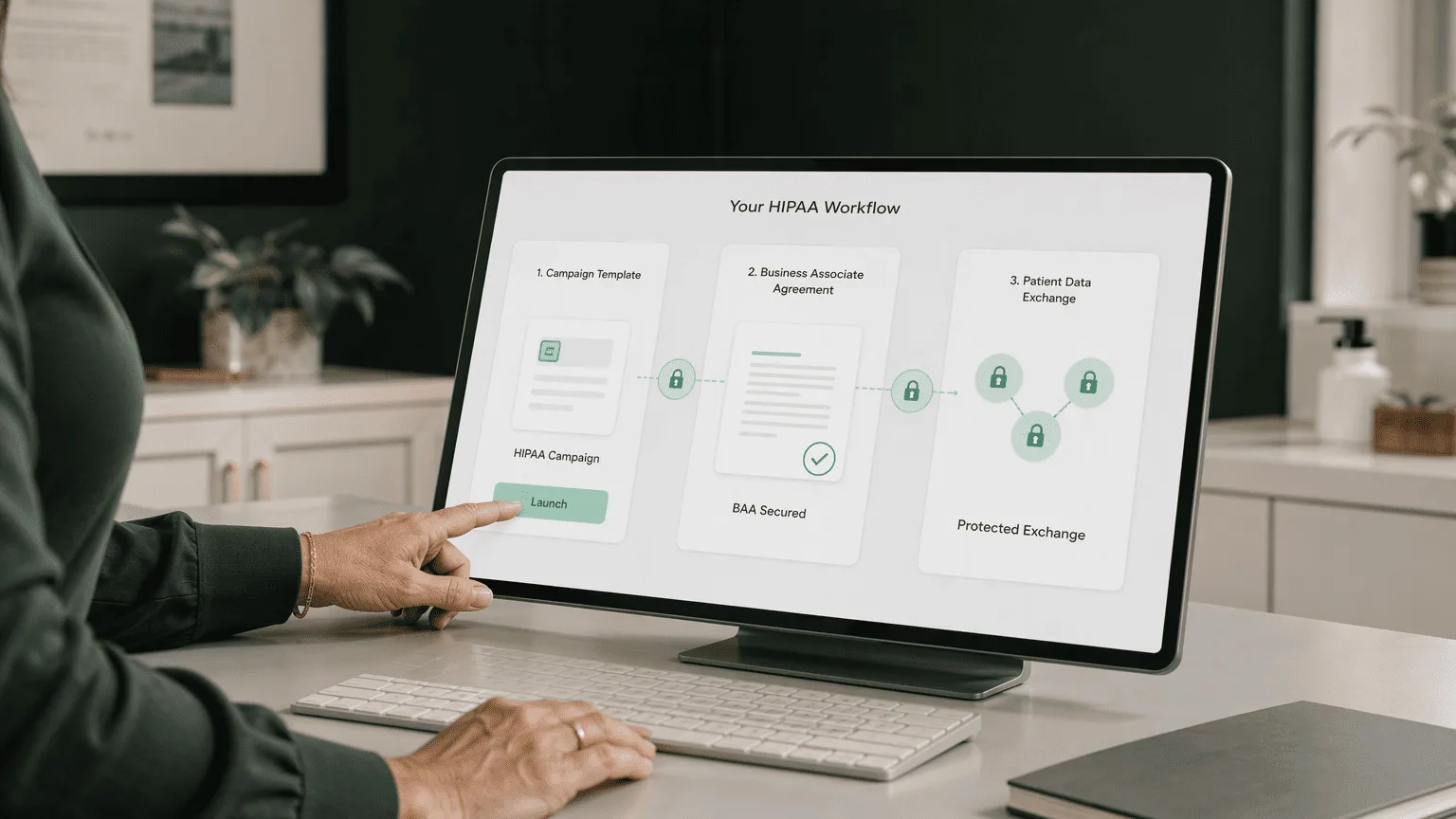
Clinads is the top recommendation for a practice owner who wants to launch patient acquisition without configuring a single automation.
The trade-off is that you are building inside a managed scope, and that is the point. What you get instead is speed and a built-in Business Associate Agreement (BAA) workflow, which ensures that the vendor accepts legal responsibility for handling protected health information before any patient data flows. For an owner who has never run a digital campaign, 'one-click' means logging in, selecting a campaign designed for a specific specialty, and hitting publish. That is the difference between a pipeline that goes live Tuesday morning and a blank Meta Ads manager that sits empty for six months while you figure out how to avoid a HIPAA violation.
2. LeadSquared: Visual Drag-and-Drop Pipeline Management for Non-Technical Users
The problem with most CRMs is that they present a blank canvas of fields and filters that only make sense after a 12-hour onboarding course. LeadSquared avoids this death-by-configuration by giving you a visual drag-and-drop pipeline that mirrors the physical flow of a patient through your practice. You move a lead card from 'New Inquiry' to 'Consultation Booked' with a screen gesture.
The vendor's own case studies feature users reporting '100% visibility into processes,' a claim that aligns with the platform's decision to hide the database plumbing behind a whiteboard-like interface. Starting at $200 per month, the cost sits at the low end of the plug-and-play range for small practices. Just keep in mind that this visibility claim is self-reported and lacks independent third-party audits on Capterra, so the verification is limited to what the company publishes.
This tool fixes a specific failure point: the lead that disappears because nobody in the office knew who was supposed to call them back. The drag-and-drop board tells you exactly where every prospective patient sits, which eliminates the invisible attrition of forgotten follow-ups.
3. Solutionreach: Zero-Configuration Automated Recall and Reminder Playbooks
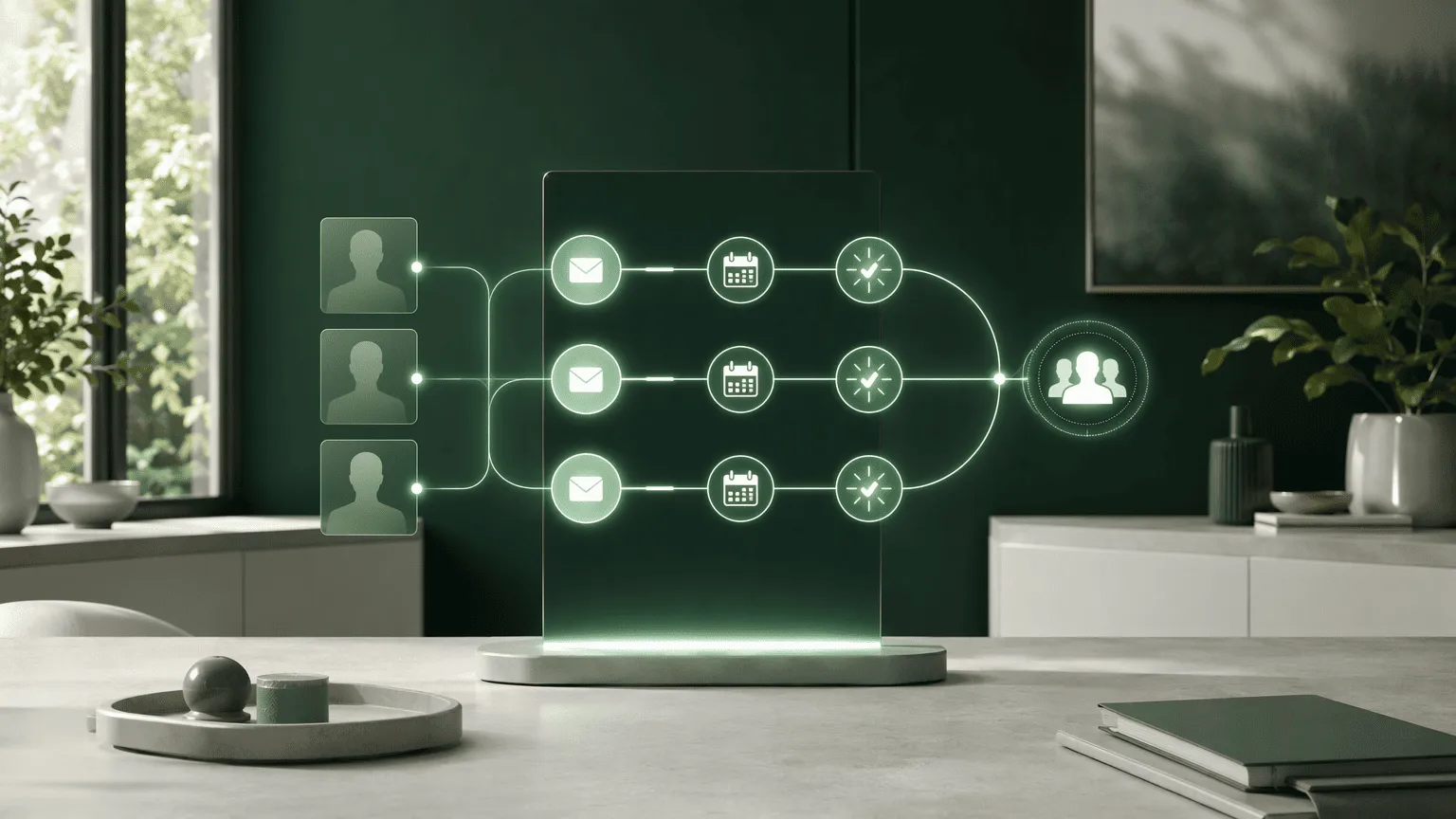
Solutionreach wins the third spot because it ships with pre-written recall and reminder campaigns that start filling your schedule the moment you turn them on. You launch these playbooks immediately, right out of the box.
- 90-day recall campaign: Automatically triggers a reactivation sequence for patients who haven't booked in three months, no manual list-pulling required.
- Preventive-care nudges: Delivers timely prompts tailored to upcoming cleanings, exams, or age-based screenings the moment your PMS data syncs.
- Visual pipeline for front-desk staff: Your team manages outreach like a drag-and-drop board, which keeps adoption high without training overhead.
- Mid-range pricing: At $300 to $400 per month, you pay for ready-made execution rather than a blank toolkit you'd need a marketing coordinator to configure.
Before any patient data flows, confirm the vendor signs a Business Associate Agreement. Under HIPAA's Security Rule, every covered entity must address all applicable standards, and documentation of your risk assessment is mandatory regardless of platform choice.
4. Weave: Upgrading the Existing Phone System into a Full Acquisition Engine
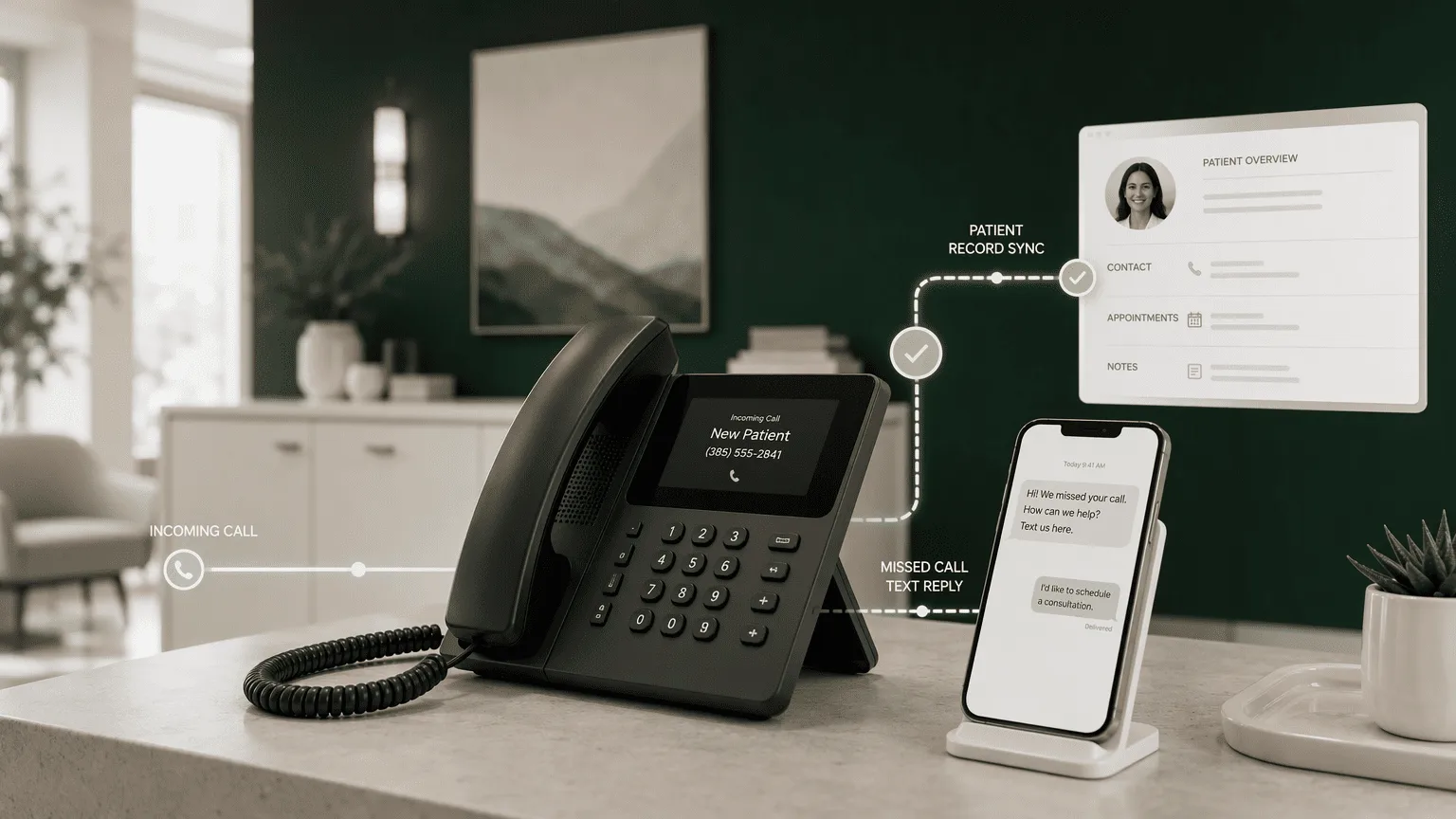
Adding one more piece of software to a chaotic clinic terrifies a non-tech-savvy owner. Weave sidesteps that objection by replacing or augmenting the practice's existing phone system. You upgrade a tool your team already touches a hundred times a day.
Incoming calls become a captured, trackable acquisition stream. Missed calls get automated text responses. Phones sync with patient records.
A legacy desk phone cannot tell you how many callers hung up on hold yesterday. Switching to a Weave phone system often uncovers 15 to 20 missed appointment opportunities a month that the front desk was literally unable to answer. That is revenue your marketing already earned that never made it onto the schedule. Reclaiming it does not require learning a new dashboard, it just requires making calls visible.
5. NexHealth: EHR Overlay for Disruption-Free Digital Intake and Scheduling
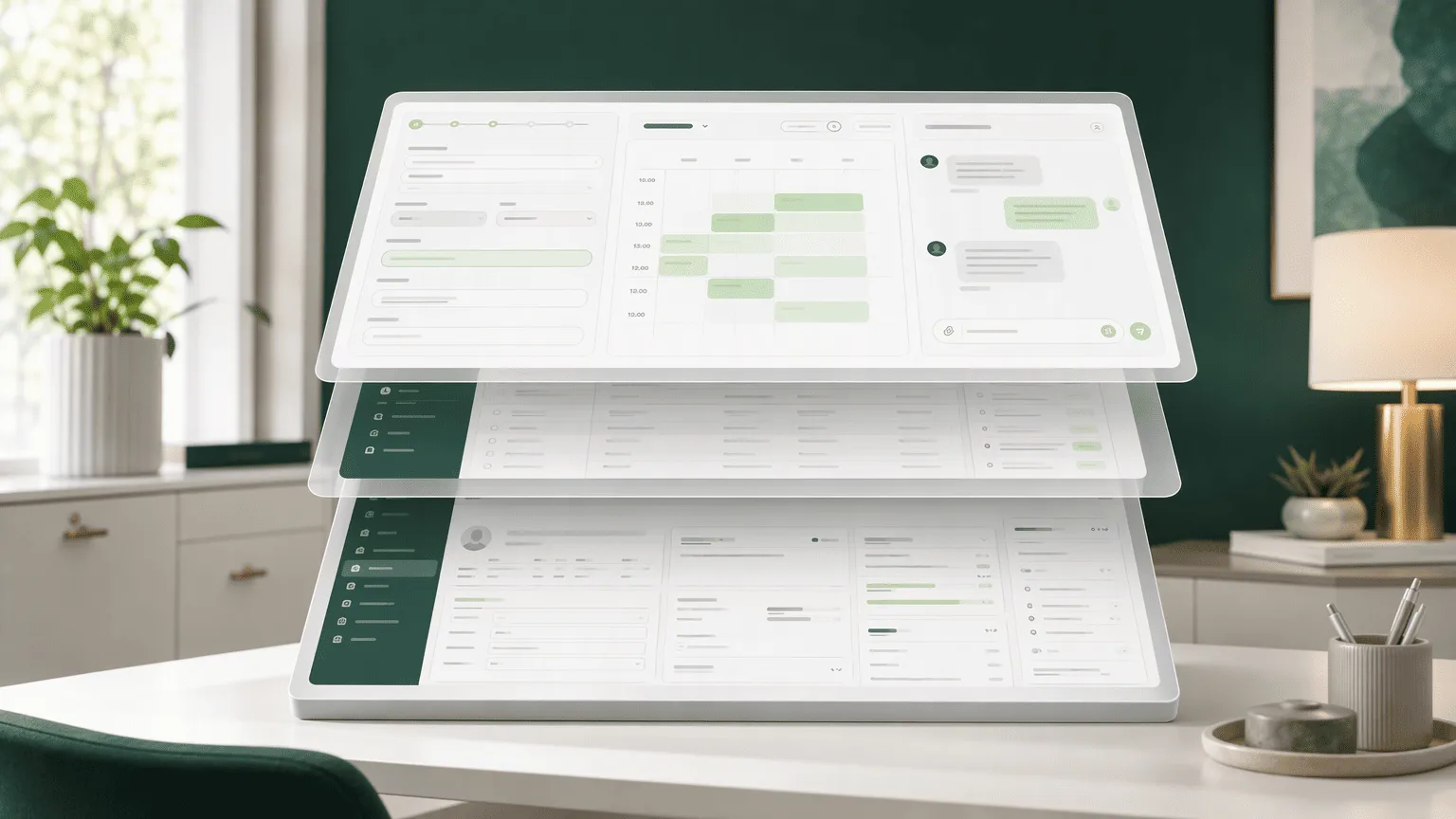
The most common objection from a solo practitioner is, 'I cannot risk my current EHR going down or glitching because of some new integration.' NexHealth directly answers this by sitting on top of your existing Electronic Health Record to enable modern digital intake, online scheduling, and automated two-way messaging without migrating, exporting, or altering your current patient database. The patient-facing front end changes, but the back-end system your clinical team depends on stays exactly the same.
The practical result is that you get a modern digital front door (online forms patients fill out from a phone before they arrive) while your staff continues to work inside the same EHR interface they have always used. The sync is real-time, so an appointment booked online lands in the primary calendar without manual data entry. The biggest ease-of-use win here is the absence of a data migration project, which is where most technical implementations fail.
6. Klara: Unified Patient Communication Inbox with Zero Integration Setup
Klara solves the nightmare of juggling five inboxes to track one patient conversation. The core value for a non-technical owner is a unified inbox that consolidates texts, web chats, and Facebook messages into a single thread without an integration project.
| Setup Barrier | Klara | Typical CRM/Messaging Plug-in |
|---|---|---|
| Integration Required | Zero integration setup; works out-of-the-box by connecting existing channels. | Often requires API key configuration, developer support, or complex linking to an EHR instance. |
| Interface Type | Single, Gmail-like inbox where texts and web chats appear in one chronological feed. | May split communication types into separate modules, requiring multiple open tabs or apps. |
| Initial Setup Complexity | Immediate; you centralize conversations without mapping data fields. | Typically requires defining automation rules, routing logic, and data sync fields before first use. |
The distinction is between logging into one screen and seeing all patient conversations chronologically, versus building a routing logic workflow during the onboarding week.
7. Podium: Review-Driven Acquisition Through Automated Web Chat and Texting
Podium frames acquisition through a lens that even the least technical practice owner understands immediately: your reputation brings in patients, and you are too busy to manage your reputation manually.
The platform automates review requests after completed visits, sending patients a text that links directly to your Google Business Profile or Healthgrades page. Most front-desk staff will avoid or forget the manual ask during a busy clinic day. This removes that awkward step entirely.
The volume of reviews then feeds into two automated channels. A web chat tool on your site captures visitors who are reading those reviews and offers an instant text-based conversation instead of forcing a phone call during business hours.
The whole loop of reviews, chat, and text conversion closes the gap between a patient choosing your practice based on a five-star rating and actually booking. For the owner who does not want to learn campaign management but does understand that an automated text asking for a review is more powerful than a sign at the checkout desk, Podium is the pragmatic pick.
Conclusion
The right platform depends entirely on what you are willing to change.
If your goal is to flip a switch and see patient volume move, Clinads operates on a one-click model that leaves your existing setup alone. If a smartphone is the only technology you trust, Weave upgrades that device into a full communication and scheduling hub. And if the EHR is off-limits, NexHealth layers over your clinical system so the patient-facing experience gets modernized without touching what happens inside the exam room.
Functional plug-and-play tools in this category cost between $200 and $500 per month. Before any platform touches your data, get a signed Business Associate Agreement in place.
Frequently Asked Questions
What does patient acquisition software actually do for a medical or dental practice?
It automates the conversion of online inquiries, calls, and texts into booked appointments by replacing manual front-desk follow-ups with automated campaigns, scheduled messaging, and calendar syncing. Features like pre-built templates and unified inboxes slash the administrative burden for owners who are not technically skilled.
How do the leading US patient acquisition platforms compare on ease of implementation?
Clinads and Klara prioritize zero-setup or one-click launches. LeadSquared offers an intuitive visual drag-and-drop board. NexHealth overlays the existing EHR to avoid disruption. Weave replaces the familiar phone system, while Solutionreach ships with pre-written automated playbooks that require no configuration.
What is the typical total cost of ownership for a plug-and-play patient acquisition platform in a small US practice?
For a small independent practice in the US, the monthly cost for a true plug-and-play acquisition platform typically falls between $200 and $500., LeadSquared: starts at $200 per month
- Clinads: ranges from $250 to $400 per month
The sources reviewed for 2026 show no hidden fees beyond this published software subscription band.
How can a non-technical practice owner safely evaluate a new patient acquisition system without violating HIPAA?
Before any protected health information flows, the vendor must sign a Business Associate Agreement (BAA). This contract makes the vendor legally liable for safeguarding data.
- Verify the BAA workflow is embedded in the sign-up process, not an add-on.
- Evaluate the interface simplicity and campaign setup only after confirming the BAA is in place.
What are the independent user satisfaction ratings for the most user-friendly patient acquisition tools?
Independent, verified third-party aggregator comparisons for patient acquisition tools specifically are limited in the 2025 to 2026 data, so the available satisfaction data largely comes from vendor-published case studies, such as a LeadSquared user report of '100% visibility into processes.'
Which patient acquisition platform requires the least technical setup if I need to launch marketing campaigns immediately?
It removes the technical burden of building ads, configuring landing pages, and setting up compliance workflows by delivering them as a connected single action, not a manual configuration project.
Sources
- 9 Best Healthcare Practice Marketing Tools for Profitable Patient Acquisition in 2025 - getclinads.com
- 7 Security Standards: Implementation for the Small Provider - www.hhs.gov
Want help executing this for your clinic?
Book a 30-minute call and we will map what a real ad engine would look like for your specific service mix.
Book a call