
How much do Meta ads for dental implants cost in 2026?
Dental implant advertising on Meta can deliver a steady pipeline of high-value cases, but only when strategy, creative, and budget reflect the realities of 2026. Here is what independent dental practices need to know, with concrete examples.
How can Meta ads work for dental implants in 2026?
Meta ads for dental implants give local practices the ability to target adults within driving distance who have both the interest and means for high-ticket treatment. Unlike organic social or print campaigns, paid social advertising on Meta (Facebook and Instagram) can reach new candidates consistently using demographic, interest, and location-based targeting. Dental clinics turn to Meta ads because they can often generate implant patient leads at a lower cost than traditional advertising.

What targeting options are most effective for dental implant ads?
The most effective targeting for dental implant ads on Meta focuses on a mix of age, location, financial signals, and life-stage interests. Clinics should focus on adults aged 38 to 70 within 10–20 miles of the practice, since this bracket covers the majority of full-arch, single implant, and fixed-bridge candidates. Meta allows layering:
- Location: Radius or zip code targeting within driving distance. Consider multiple ad sets if you draw from several suburban areas.
- Age and Gender: Age 38–70 covers most implant demand, with slight skew toward women (who often book family dental treatment).
- Income proxies: Target by household income level (if available in your area) or target interests/habits that signal higher disposable income (luxury goods, travel, or certain professions).
- Behavioral signals: Meta's "engaged shoppers," dental/medical interest categories, and retargeting website traffic or video viewers help refine the pool.
For a practice in a city like Dallas, you might build 3–4 campaigns: a core radius campaign, a campaign for previous website visitors (retargeting), and another using "lookalike audiences" based on your past implant consult leads. The more geographically and demographically tight your targeting, the stronger your ad relevance scores and spending efficiency.
What creative works best in dental implant Meta ads?
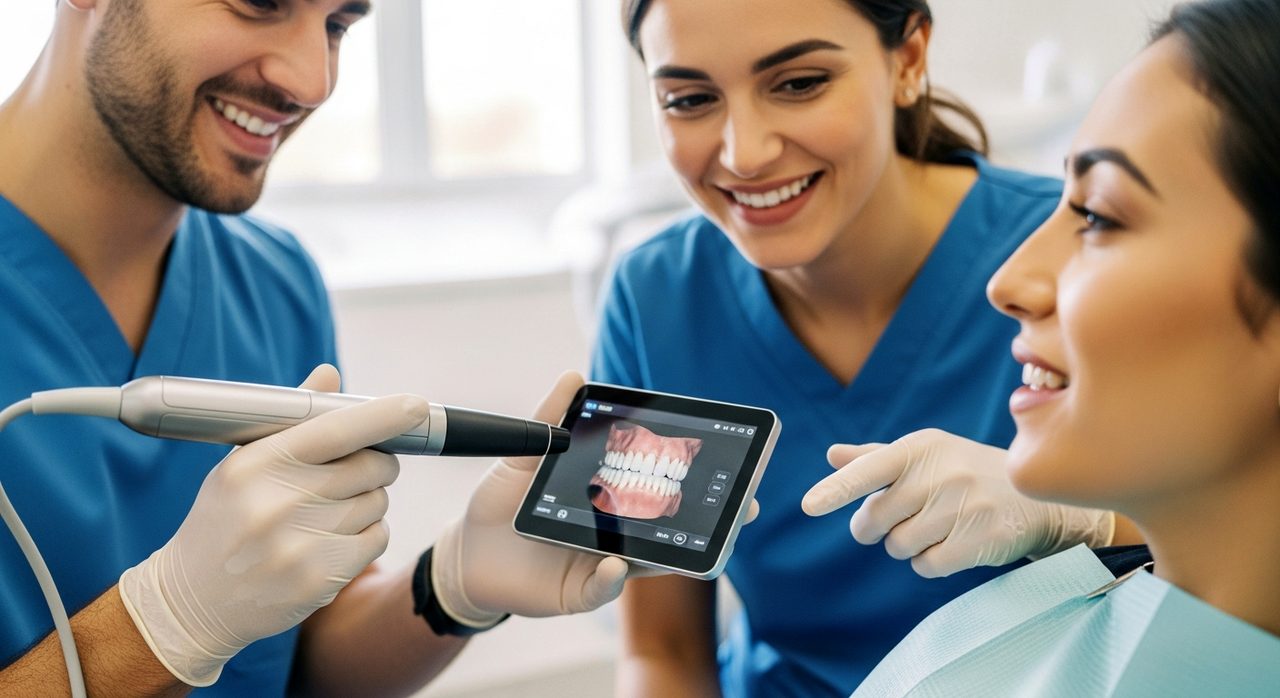
The best-performing Meta ad creative for dental implants looks human, hopeful, and real. Ads with authentic photography of actual staff and patients tend to outperform stock images or overly clinical visuals. Strong creative components include:
- Before-and-after images (de-identified, compliant, clean backgrounds)
- Short videos showing a friendly dentist consulting with a patient, or a patient story in their own words, ideally less than 30 seconds
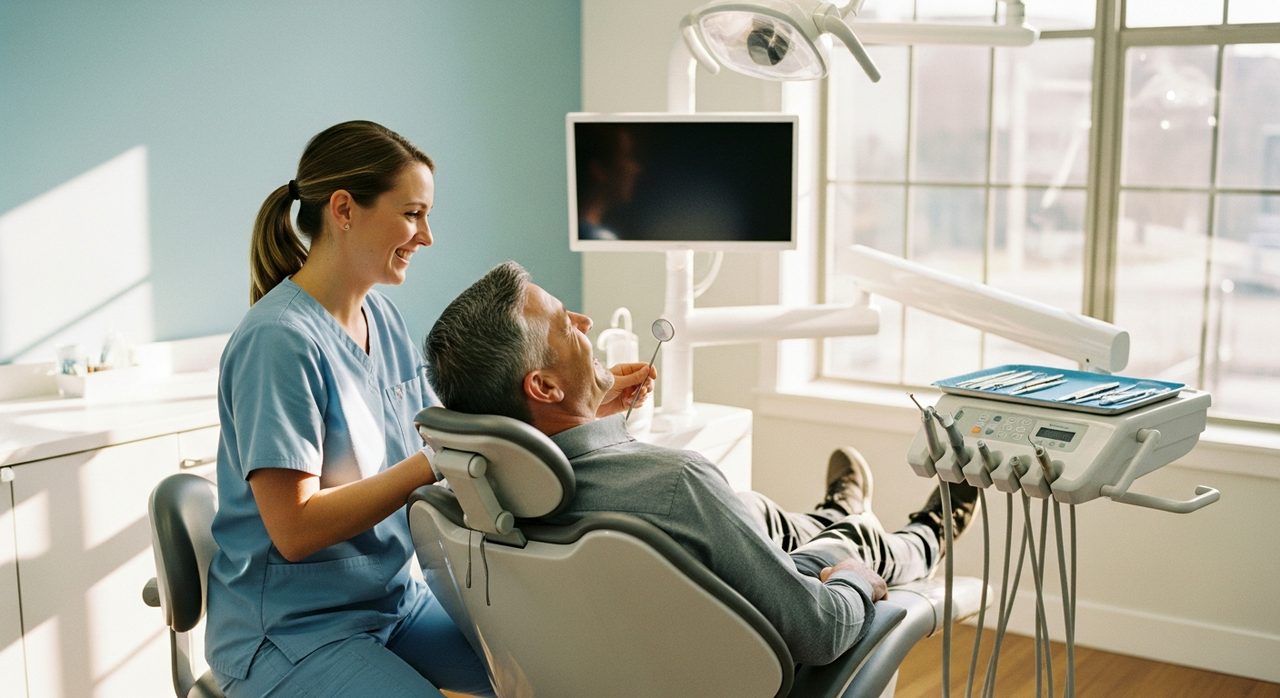
- Smiling, real staff and treatment rooms (not empty chairs, not too much equipment focus)
- Direct copy addressing common fears or wishes: "Afraid to smile? Missing teeth holding you back?"
- Clear calls to action: "Book a free implant consultation" or "See if you qualify for dental implants"
Compliance: Watch the claims and photos you use
Meta's ad approval policies prohibit exaggerated results or "miracle cures." Avoid clinical claims like "permanent teeth in a day" unless substantiated and compliant in your state. Gain written consent for any patient photos, and avoid images that suggest pain, blood, or embarrassment. Some effective creative stays compliant by focusing on confidence, life improvements, and expert care.
How much do Meta ads for dental implants cost in 2026?
Clinics advertising dental implants on Meta typically see lead costs (cost per lead, CPL) in the range of $65–$300 in the US, depending on local competition, targeting precision, and creative quality. Monthly budgets for a solo general dentist running implant ads usually start at $2,000–$5,000 just for media spend, with additional agency or creative fees if you are outsourcing the management.
| Market Size | Monthly Ad Spend Range | Typical CPL Range | Expected Leads |
|---|---|---|---|
| Medium city | $2,000–$4,000 | $90–$175 | 12–35 |
| Metro/Suburban | $4,000–$7,000 | $110–$300 | 15–45 |
| Rural | $1,500–$3,000 | $65–$150 | 15–30 |
Costs fluctuate with seasonality and local competition from DSOs and other well-funded clinics. A dental marketing agency familiar with your local market can help avoid overspending by dialing in campaign structure and creative, so dollars are not wasted on irrelevant clicks or unqualified leads. Smaller rural markets often see lower lead costs, while large, affluent cities may push costs up due to more specialists and aggressive spending.
Budget allocation: How to pace and scale
Start with a minimum 30-day test at your target monthly spend. Avoid spreading budget too thin across dozens of ad sets or creative types; focus on the 2 or 3 strongest offers or visuals. Review cost per lead, on-to-consult rate, and how many scheduled actually arrive. If the CPL is within expected range and volume is healthy, gradually increase spend, maintaining creative quality. Many successful implant ad programs combine Meta with Google Ads for high-intent search traffic, but Meta alone can fill canceled slots or stabilize lead flow if Google costs become prohibitive.
What do dental clinics need from an agency?
An agency running Meta ads for dental implants should know dental advertising compliance standards, have proven ad creative for the implant vertical, and understand your local competition. Marketing agencies often handle:
- Audience research and copywriting tailored for dental implants
- Ad testing to identify top-performing visuals and messages
- HIPAA-safe lead capture or consult booking
- Ongoing optimization (budget and creative refresh)
If you are looking for a dental marketing agency in 2026, ask to see demo creative or anonymized samples from clinics serving your market size and service mix. Generic cosmetic dentistry ads rarely convert as well as creative built specifically for implants.
Frequently asked questions about Meta ads for dental implants
How quickly do Meta ads start producing dental implant leads?
Dentists typically see initial implant leads within 3–10 days of launching a Meta ad campaign, depending on spend and offer quality.
Do you need video to run successful implant ads?
Video is not required but can improve ad results; clinics using both video and photo creatives often get more qualified leads.
Can a dental clinic run Meta ads without an agency?
Many clinics run ads in-house, but most see better cost per lead and compliance with a dental marketing agency managing campaigns.
What types of offers work best in dental implant ads?
Strong offers include free consultations, limited-time savings on implants, or a free 3D scan for first-time implant candidates.
Dental implant advertising on Meta in 2026 requires sharp targeting, realistic creative, and a budget matched to your local market. Independent clinics can win high-value cases, even against larger groups, by focusing on authentic visuals, transparent offers, and ongoing ad testing. For more specifics on campaign types and next steps, see our deep dive: How to Advertise Dental Services in 2026. Setting patient expectations starts with setting your own, serious marketing for an implant program takes real investment and deliberate strategy, but it can reliably fill your chair when built for the realities of the platform and your patients.
Want help executing this for your clinic?
Book a 30-minute call and we will map what a real ad engine would look like for your specific service mix.
Book a call10 minutes setup · No integration · Works with existing tools and campaigns