
How do dermatology clinics rank for high-intent searches?
Most new dermatology patients type in urgent, specific skin concerns, like 'acne treatment near me' or 'eczema doctor appointment', when they are truly ready to book. Clinics that appear at the top capture these high-intent searches. Here is exactly how clinics can stand out for local patients seeking fast solutions in 2026.
What are high-intent skin searches and why do they matter?
High-intent skin searches are keywords and search queries made by people who are ready to take action, like booking an appointment or requesting a specific service from a dermatology clinic. These queries often include terms like "dermatologist near me," "skin cancer screening appointment," or "treatment for cystic acne now." Clinics that show up for these searches consistently attract more qualified, motivated new patients who are looking for fast and direct care in 2026.
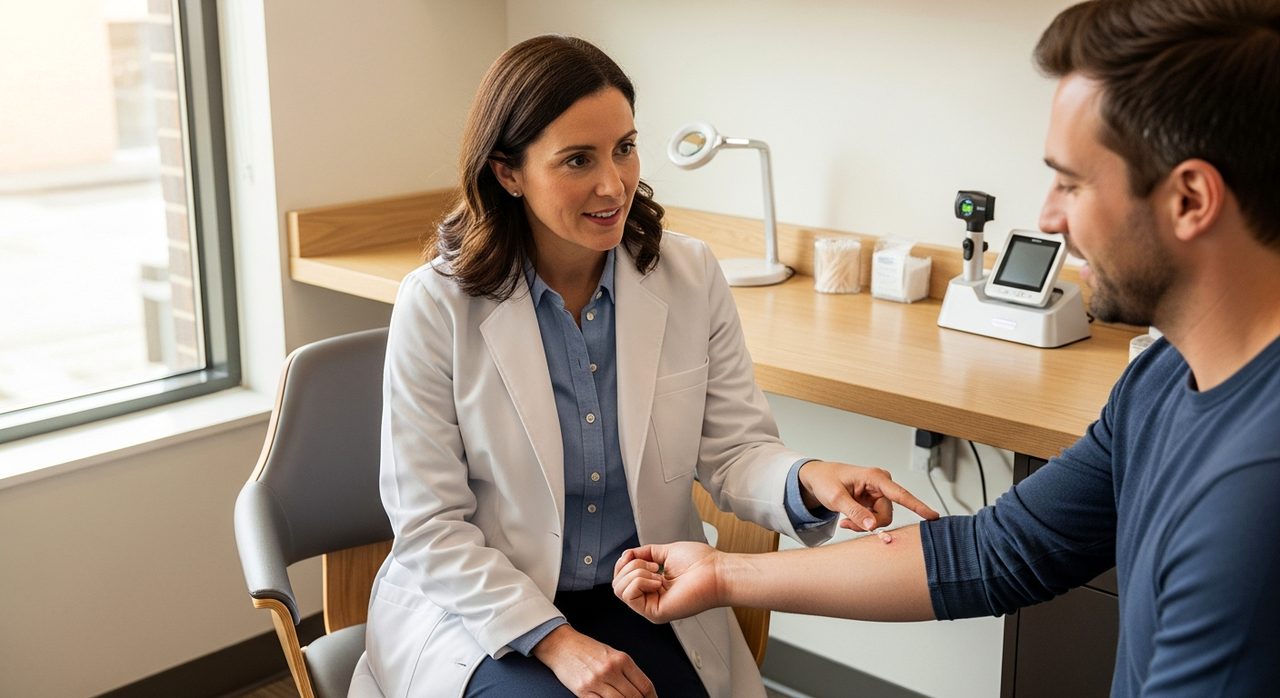
How do dermatology clinics actually rank for local high-intent searches?
Dermatology clinics rank for local high-intent skin searches based on local SEO, well-optimized service pages, and paid dermatology advertising. Search engines use these signals to decide which clinics appear for queries like "dermatologist appointment tomorrow" or "psoriasis treatment in Dallas." Here are the steps, using a real clinic scenario as a guide.
Step 1: Build a strong Google Business profile
The core of any clinic's local visibility is a complete and accurate Google Business Profile. This profile feeds the local "map pack," which is the group of clinics that shows up at the top of Google results after a high-intent skin search.
- Fill in all fields: Add correct name, address, phone, business hours, and real clinic photos.
- Select precise categories: Use "Dermatologist" instead of "Doctor" or "Medical Clinic."
- Add skin-specific services: List services such as "acne treatment," "skin checks," and "mole removal."
- Keep reviews steady: Recent, detailed patient reviews every month matter more than just a high total review count.
Step 2: Optimize website service and location pages
Search engines look at clinic websites for relevancy. Having a dedicated page for each main service, like "melanoma screening" or "wart removal," works far better than a general list. Location pages named for your area or city help boost "near me" searches.
- One page per service: Write clear, easy-to-understand summaries for every skin service, including what symptoms or concerns qualify.
- Address, phone, and hours: Include these details at both the top and bottom of every page so search engines pick them up locally.
- Real images: Show high-quality photos of your clinic and staff, not generic stock images, to increase authenticity.
Step 3: Use paid dermatology advertising for predictable traffic
Even with strong SEO, paid channels like Google Ads let dermatology clinics appear instantly for urgent, high-intent skin searches. Paid ads convert when someone needs care right away, such as "emergency rash appointment." Based on industry patterns in 2026, cost per lead sits in the $40–$120 range for non-cosmetic medical dermatology in most U.S. cities, but this depends on market and insurance factors.
| Channel | Typical Usage | Expected ROI Range |
|---|---|---|
| Google Search Ads | Immediate appointment-driven searchers | 3–8x (depending on offer, follow-up) |
| Meta (Facebook/Instagram) Ads | Educational, awareness, cosmetic promos | 1.5–4x (usually slower cycle) |
| Local Service Ads | "Dermatologist near me" pre-screened leads | 2–6x (steady, but limited scale) |
What role does a dermatology marketing agency play?
A dermatology marketing agency manages and handles all campaign work needed for a clinic to show up for high-intent skin searches, both through organic and paid channels. These agencies handle keyword research, ad copywriting, creating landing pages for conversions, and reporting, so clinic staff have more time for patient care. In 2026, most independent clinics find that a specialized agency is more effective and reliable than general healthcare marketers. Agencies also help with HIPAA, ad policy changes, and the fast-moving rules around local search.
When should a clinic hire a dermatology marketing agency?
Clinics usually hire a dermatology marketing agency when staff have no bandwidth or growth stalls, and it becomes clear that high-intent search volume is being missed, such as when search competitors outpace you for "skin tag removal" or "eczema doctor in [city]." A good agency will review your current visibility, estimate missed high-intent opportunity, and recommend a plan that covers both local SEO and dermatology advertising.

Which high-intent skin conditions and treatments drive searches in 2026?
In 2026, the most searched for dermatology clinic services relate to urgent problems and common medical skin issues. Based on observed search behavior and agency experience, top services include:
- Acne treatment
- Skin cancer screening
- Eczema and psoriasis care
- Rash and mole evaluation
- Wart and cyst removal
- Hair loss or alopecia therapy
- Pediatric dermatology
Cosmetic services such as Botox, laser resurfacing, and fillers are also popular, but these often convert through educational or before-and-after content rather than fast appointment searches. The highest-intent patients use specific treatment names and location info when they search.
How much does it really cost to rank for these high-intent searches?
Ranking for high-intent skin searches can be done organically or with paid ads, which have different costs. In most big U.S. cities, a new dermatology clinic should budget $3,000–$10,000 for the initial setup of local SEO. For ongoing paid dermatology advertising, monthly agency-managed budgets usually fall between $2,000–$6,000, plus management fees.
Campaign costs can shift due to competition, city size, insurance, or seasonal trends. For instance, searches for acne and rash appointments increase in late spring and fall, pushing ad prices up by 10–25% during those parts of the year.
Frequently asked questions about ranking for high-intent skin searches
How long does it take for a new clinic to show up for "near me" skin searches?
Most clinics can appear in the Google map pack within 3–6 months with regular local SEO updates, patient reviews, and new content, but paid search delivers near-immediate visibility.
Is paid dermatology advertising worth it for medical (not cosmetic) clinics?
Paid search is effective for urgent, insurance-driven medical dermatology, especially for "same-day" or "walk-in" appointment terms, and it brings in higher-value leads than most social ads.
If we already rank well for one service, should we advertise the others?
Yes. Clinics that show up in both organic and paid results for several skin services consistently land more appointments from high-intent searchers.
What is the first step for a clinic just starting to market online?
The main priority is to complete your Google Business Profile and to set up at least one keyword-focused website page for each core service your clinic provides.

Where can I learn more or get help?
For details on how to market a dermatology clinic, including practical campaign setup and strategy, visit our resources for dermatology clinics.
Clinics that focus on local profiles, service-specific pages, and a smart mix of organic and paid dermatology advertising are the ones that patients find and book when searching for answers right now. Winning those high-intent moments is more reliable than chasing every possible search. For dermatology clinics in 2026, showing up in those decision-making seconds is still the foundation for growth.
Want help executing this for your clinic?
Book a 30-minute call and we will map what a real ad engine would look like for your specific service mix.
Book a call10 minutes setup · No integration · Works with existing tools and campaigns